
Children and teenagers are expected again this year at Astra Film Junior, the most complex educational project through documentary film in Romania.
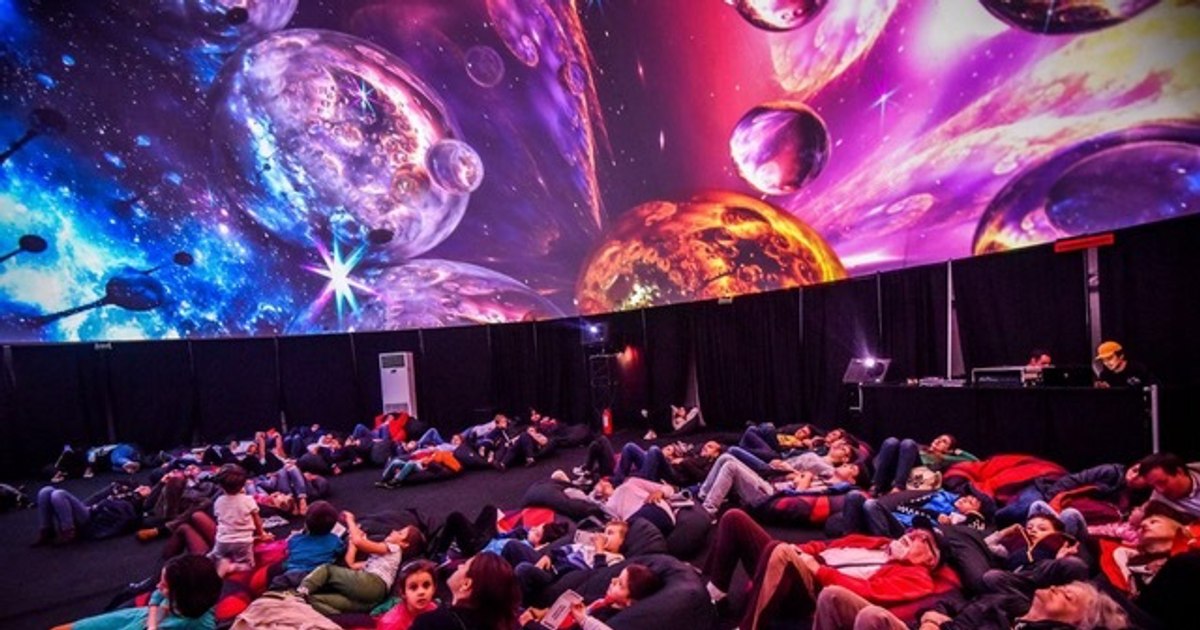
The most spectacular screenings are in the New Media Dome Cinema, from Piața Mare PHOTO: Astra Film
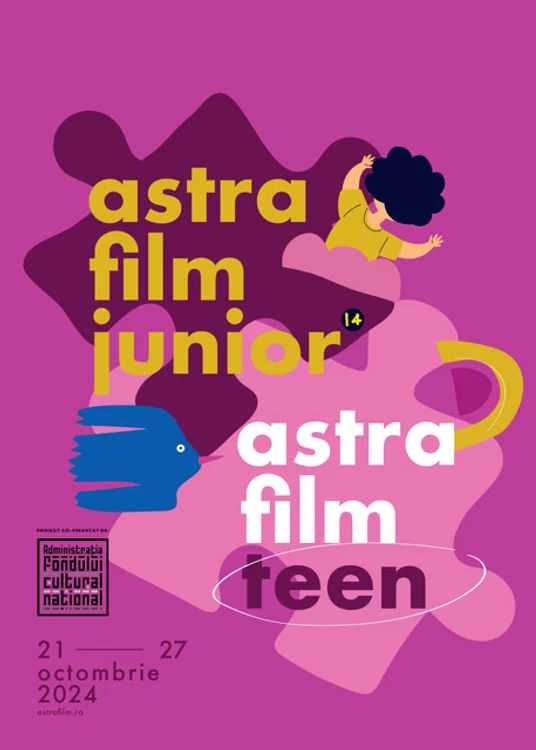
Designed for three age categories (6+, 11+ and 15+), Astra Film Junior 2024 includes film screenings in classic cinemas and full-dome screenings in the New Media Dome Cinema, followed by debates moderated by professionals, competition comics and creative workshops (primary cycle 6+), creative writing (secondary cycle 11+) and film (high school cycle 15+). Astra Film Junior will take place between October 21-27, 2024, when many schools have “Green Week” or “Different School” programs on their schedule.
This year’s selection of AF Junior films addresses current topics of interest to children and teenagers, teachers and educational advisors, parents or grandparents. Project schedules and full list of films, here.
“I confess that I am absolutely fascinated by the energy of the children who come to the festival and who create a special vibe in Sibiu, at Astra Film Junior. Through this program we give them an audio-visual alternative that keeps them away from their mobile phone screens and gives them lessons for a beautiful and harmonious development“, said Dumitru Budrala, the founding director of Astra Film Festival, who advised those who want to participate to make reservations in advance, because every year the Astra Film Junior events take place behind closed doors.
Selected documentaries and age categories
Documentaries in the 6+ category teach kids about self-confidence and courage (“Gravity Defying Girl” by Jens JV Pedersen), discipline and perseverance (“The Shaolin Master’s Girl” by Therese Koppe), connection and unity (” Aikiddo”, by Annabei Verbeke), diversity (“Bachir in Wonderland”, by Els Duran), gender stereotypes (“Giovanni and synchronized swimming”, by Astrid Bussink) or encourage them to identify and express their own feelings (“The Emotions of the Little Cube”, by Leva Benoît).
The films in the 11+ category (secondary school) expose the dangers of the online environment (“Experiences about bullying”, by Eef Hilgers), explain the seriousness of climate change (“Fatou fights against drought”, by Irja von Bernstorff) and encourage understanding of the notions of resilience ( “Our Island”, by Lennah Koster), bullying (“Pride and Prejudice”, by Mirjam Marks), ambition and success (“A Girl with Aspirations”, by Camilla Magid), the consequences of armed conflicts (“A Girl Far From Home” , by Alisa Kovalenko), and migration (“Refugees from Nagorno-Karabakh”, by Katja Fedulova).
Those selected for the 15+ category (high school cycle) are aimed at teenagers who want to understand the importance of taking responsibility (“The wooden boy”, by Eva Oosterveld), the issue of climate change and environmental activism (“Why we fight”, by Camille Etienne ), the notions of human dignity and freedom (“Maydegol”, by Servnaz Alambelgi), self-confidence and the desire to follow your dream at any cost (“Shobe face surf”, by Elizabeth D Costa) and the importance of your own decisions ( “Dream. Life”, by Ruxandra Gubernat).
The Educator Profession program presents a screening dedicated to teaching staff and educational advisors, which will be followed by discussion sessions: “To defeat demons with the help of dragons”, by Camila Magid.
A special program is Weekend Junior, during which three films will be screened for teenagers, parents and teachers alike: “Food for Change” by Benoît Bringer (food education and healthy growth in a sustainable environment), “Beginners” , by Alban Teurlai (on the role of teachers in shaping students’ character and values) and “Teenage engineers” by Aleksandra Skowron, Hanna Polak (the connection between emotions and the need to use social networks).
