
Cleaning has evolved significantly in recent years, as modern appliances began to offer superior performance and a high level of comfort. People are no longer just looking for raw power, but also efficiency in use, ergonomics and autonomy in managing daily tasks.
Needs have become much more nuanced, which is why cleaners have to respond to a variety of situations, from fine dust to pet hair. The daily rhythm has imposed an intelligent approach to cleanliness, where each device contributes to maintaining order without additional effort. This change has completely redefined the way home maintenance is perceived.
The growing interest in air quality has led many users to view air purifiers as an investment in their well-being.
It is no longer enough for a device to vacuum efficiently, it must maintain a healthy environment through advanced filtration and proper management of fine particles. In modern homes, comfort is intertwined with necessity, and the goals are both aesthetic and functional.
This kind of expectation has changed the way companies design home appliances. Consequently, every technical detail receives special importance today.
At the same time, different lifestyles have brought the flexibility of devices into question, as not all users have the same priorities. Some want speed of operation, others emphasize maneuverability, and some appreciate the autonomy offered by automatic devices.
The diversity of requirements has forced the rapid evolution of the market, resulting in a wide range of products with distinct technical orientations. Thus, devices began to differentiate themselves through the ability to adapt to real usage scenarios. This customization completely transforms the cleaning experience.
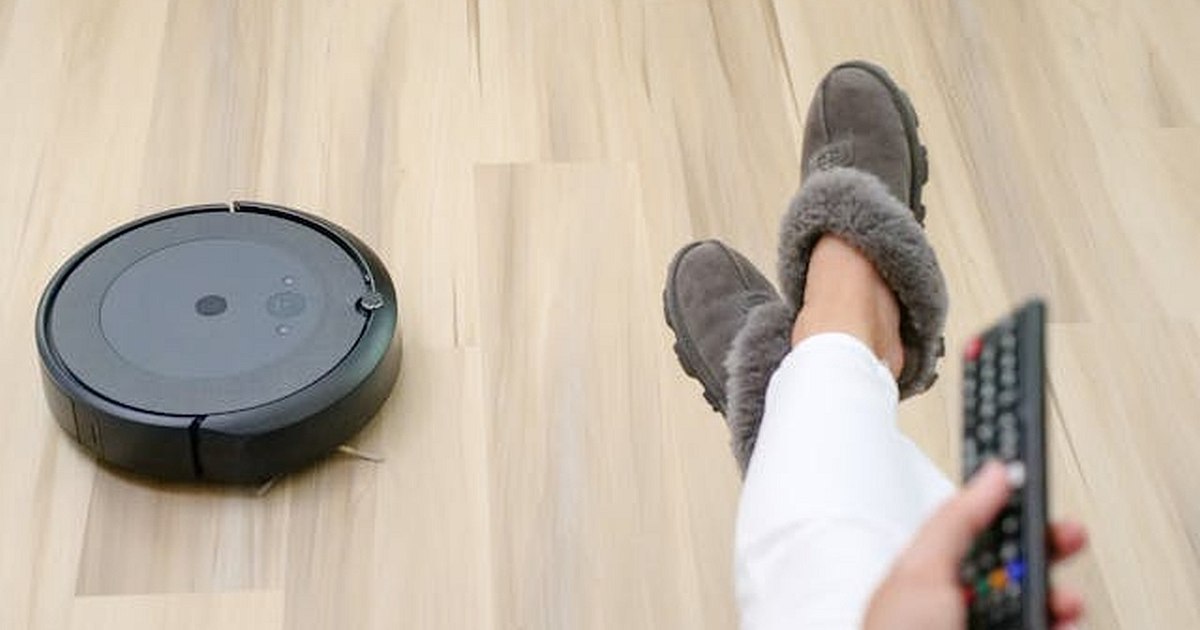
Automation continues to gain ground as people increasingly look for ways to delegate repetitive tasks. In more and more homes, a robot vacuum works daily to maintain order and reduce dust accumulation.
The device becomes a discreet but constant presence that helps maintain a stable level of cleanliness without human intervention. This autonomous behavior contributes to a more relaxed routine, where cleaning is no longer a time-consuming activity. Thus, automation becomes the foundation of modern maintenance strategies.
Technologies that influence the balance between comfort and performance
As cleaners integrate advanced technologies, interest has grown in their ability to adapt power to surfaces.
Users appreciate devices that automatically recognize the differences between carpets and hard floors, adjusting their behavior without external intervention. This adaptability removes many practical obstacles and provides a more consistent cleaning experience.
At the same time, energy efficiency is becoming an increasingly important criterion in performance evaluation. All of this is helping to change the way people choose the right appliances.
Comfort in use has become an essential element, and the weight of the device plays a decisive role in this regard. A device that is too heavy reduces the duration of cleaning sessions and discourages its frequent use. People want devices that are easy to handle, with a well-distributed center of gravity and an intuitive handle.
Ergonomic design is no longer a luxury, but an essential condition for efficient use. For this reason, many modern designs focus on reducing user fatigue.
Device maintenance remains an important topic for users who want good long-term results.
Washable filter systems, easy-to-empty containers and quick-change accessories contribute to a pleasant experience. No one wants a device that performs well but is difficult to clean, because the maintenance becomes as tiring as the cleaning itself.
Simplicity of maintenance operations has become an essential selection criterion. Thus, modern appliances are evaluated not only by their performance, but also by how they maintain their efficiency over time.
Another element watched by many users is the noise level, since cleaning is often carried out in sensitive contexts, such as working from home or children resting. Silent appliances offer greater freedom in choosing when they are used. Current technologies reduce vibration and optimize engine chambers to limit noise without affecting performance. Peaceful cleanliness thus becomes part of the comfort of the home. This advantage is strongly reflected in purchasing preferences.
Also in the area of relevant technologies, a robot vacuum continues to gain ground among busy users. Its ability to operate autonomously, map rooms, and return to its charging station on its own gives it constant utility.
The device can cover the entire home without supervision, considerably reducing repetitive tasks. In addition, intelligent scheduling enables daily maintenance, even in the absence of the user. Therefore, automation becomes a central element in any modern cleaning strategy.
In the second half of the article, the focus shifts to the premium segment, where technology meets high demands and refined preferences. Users who choose these models usually want a high level of accuracy and consistent performance in all possible scenarios. This category is differentiated by the ideal balance between power, filtration and intuitive design. For many buyers, premium devices represent a long-term investment. Thus, a segment with high standards and complex requirements is taking shape.
In this context, a Dyson vacuum cleaner becomes a relevant option for those looking for constant performance and attention to technical details. The machine is recognized for the way it handles fine particles, maintaining suction power even as the canister fills up.
Many users appreciate the high level of filtration, which contributes to maintaining clean air in the home. Consistency in operation places it in the category of genuine premium solutions. This orientation makes it preferred by those who do not want compromises.
On the other hand, the segment inspired by the professional area attracts users who need robust, efficient devices in difficult situations. A Karcher vacuum cleaner is often chosen for its ability to handle bulky dirt, difficult residues or surfaces that require vigorous interventions.
The device is designed to withstand heavy use, which clearly differentiates it from models aimed at regular household consumption. In many households, this resistance proves crucial. Thus, it becomes the practical symbol of sustainability.
When analyzed together, the two categories – premium and professional – point to different directions in the way cleaners are designed. A Dyson vacuum offers technical refinement, while a Karcher vacuum emphasizes strength and durability. The differences between them do not make them rivals, but complementary, depending on the style of use. For users looking for performance in all scenarios, combining the two directions can be an effective strategy. This technological collaboration reflects the maturity of the market.
When the cleaning routine becomes complex, dividing the responsibilities between appliances becomes logical. A robot vacuum cleaner can be responsible for daily maintenance, while a Dyson vacuum cleaner steps in for deep cleaning. At the same time, a Karcher vacuum cleaner can handle difficult tasks, such as large debris or areas where robustness is needed.
This hybrid strategy maximizes efficiency and reduces overall effort. In modern homes, collaboration between appliances becomes the key to complete cleanliness.
Looking at the range of available technologies, it can be seen that modern users are not looking for just one device, but a complete and adaptable solution.
Cleaning is no longer a linear process, but one that is built on collaboration between devices. In this context, premium solutions and those inspired by the professional area become complementary. This integrated approach turns routine into a more efficient activity.
More and more homes are adopting a hybrid system, in which each device assumes a clear role.
Automation takes care of basic maintenance, while premium and rugged machines take on the intensive tasks. This intelligent distribution of effort increases the quality of results and reduces the time required for cleaning. Thus, the modern way of organizing the house becomes more fluid and efficient.
The essential question remains: In your home, what type of appliance would make the biggest difference? Do you prefer the precision offered by a premium model, the durability inspired by professionals or the discreet autonomy of an automatic device?
