
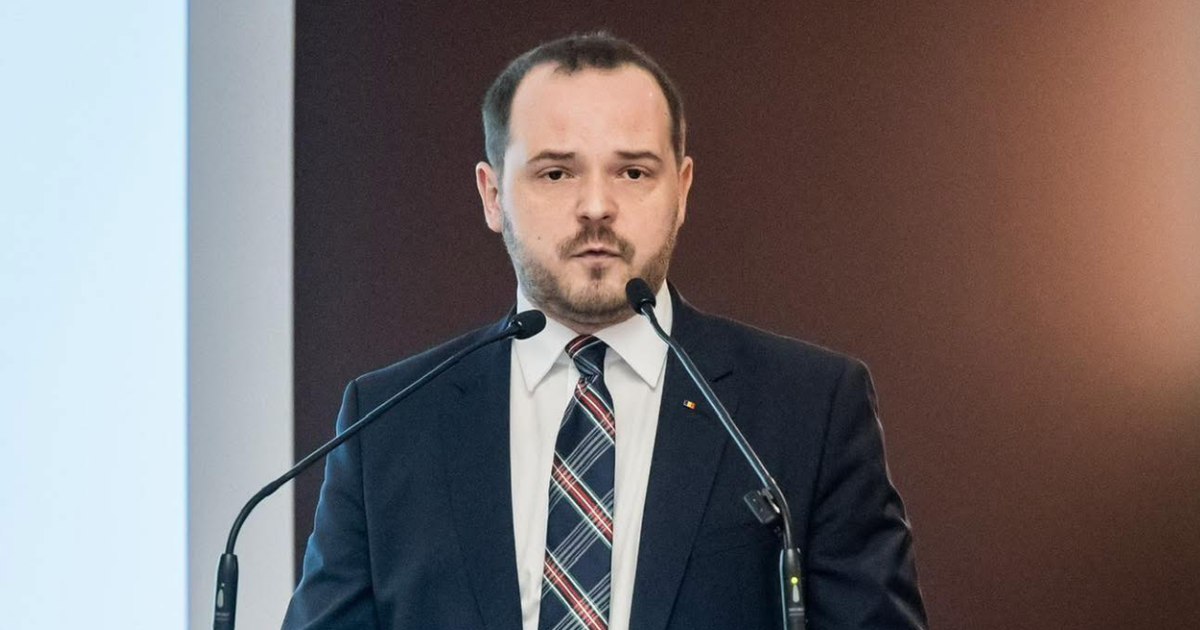
The government approved a new update of the list of free and compensated medicines, at the proposal of the Ministry of Health. According to the Minister of Health, Alexandru Rogobete, 33 new drugs will be included in the list, and for another 19 treatments, the therapeutic indications will be extended, so that they can be used for more conditions.
The minister says it is one of the biggest updates to the list in recent years, and over 90 new drugs and therapeutic indications have been introduced into the compensation system in the past seven months.
“At the proposal of the Ministry of Health, the Government approved today a new update of the list of free and compensated medicines. 33 new medicines enter the free and compensated list. For 19 other drugs, we are expanding the therapeutic indications. It’s one of the most extensive updates to the list in recent years.” Alexandru Rogobete sent.
Modern treatments for patients
According to the minister, the decision means faster access to modern therapies for patients, some of which are extremely expensive.
“What exactly does that mean? It does modern therapies that arrive faster in patients. For some of these treatments, people ended up paying tens of thousands of euros out of their own pocket to have a chance at treatment. Today, these drugs are free or reimbursed and become accessible in the public health system for those who need them”explained the minister.
Among the novelties is the introduction into the system of the first radiopharmaceutical drug, Lutetium Vipivotide Tetraxetan, used in the treatment of prostate cancer. Also, another 14 new drugs will be included in the National Oncology Program.
They are intended to treat several types of cancer, including melanoma, hepatocellular carcinoma, cholangiocarcinoma, multiple myeloma, Waldenström macroglobulinemia, lymphomas, non-small cell lung cancer, breast cancer, or gastrointestinal stromal tumors.
Access to treatments for rare diseases
The update of the list also targets patients suffering from serious or rare diseases. Among the conditions for which there will be new treatment options are giant cell arteritis, paroxysmal nocturnal hemoglobinuria, hereditary transthyretin amyloidosis, myasthenia gravis, neuromyelitis optica spectrum disorders, lysosomal acid lipase deficiency or Fabry disease.
At the same time, the therapeutic indications will be extended for 19 already compensated drugs. This means they may be used for other conditions, including severe thrombocytopenia in patients with chronic liver disease, Lennox-Gastaut syndrome, Niemann-Pick type C disease, Still’s disease, systemic juvenile idiopathic arthritis, alkaptonuria, IgA nephropathy, or moderate and severe ulcerative colitis.
The list also includes treatments for psoriatic arthritis, familial Mediterranean fever, certain types of lung cancer, pediatric glioma or advanced differentiated thyroid cancer.
“Every medicine means an extra chance”
The Minister of Health emphasized that for many patients the fight with the disease is a daily and difficult one, and the role of the health system is to provide real support.
“I know that for many of you, the fight against the disease is, every day, a difficult ordeal. Our role is to make the health system a real support in this fight. Every drug entered on this list means an extra chance for treatment, time gained and hope for patients and their familiesr”, Rogobete transmitted.
He acknowledged that the health system still has problems, but says that changes continue.
“I’m not saying the system is perfect. I know there’s still a lot to do. But change is underway and we’ll keep working to make access to treatment faster, fairer and closer to people’s real needs“, added the minister.
At the end, Alexandru Rogobete thanked the Minister of Finance, Alexandru Nazare, but also the teams from the Ministry of Health, ANM and CNAS for the support given in making this update. “Confidence can move things. You just have to want it”he also said.
