
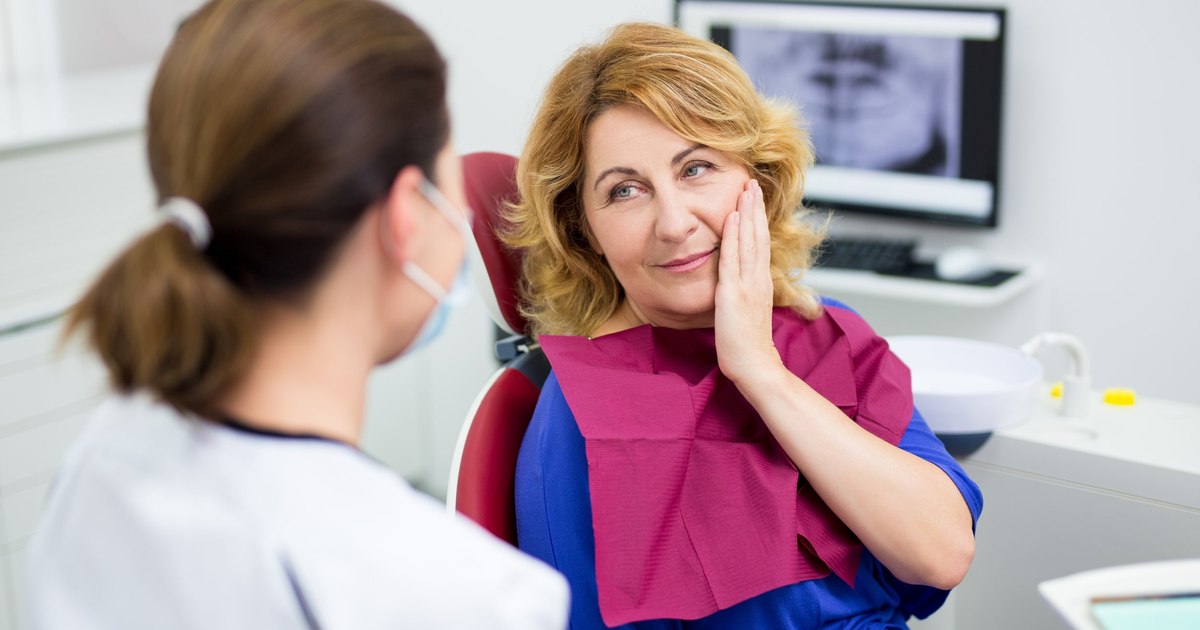
Bone resorption in the oral cavity is a progressive process of loss of bone mass in the jaw or mandible that can affect the stability of the teeth as well as the possibility of restoring a functional and aesthetic dentition to the patient. This phenomenon is a serious medical challenge that, if not managed in time, can complicate long-term dental treatments and have major consequences for the patient.
The process of bone resorption, which aims at the gradual decomposition of the tissue that supports the teeth, can be influenced by several factors. With the loss of a tooth or after dental extractions, the bone in which the roots were anchored undergoes a biological process of restructuring, which consists of both apposition (formation) and bone resorption. Due to the fact that the bone no longer receives the mechanical stimulus transmitted by mastication, it begins to gradually resorb, losing both volume and trophicity (vascularization). In addition to extractions, bone resorption can be accelerated by untreated periodontal disease, infection, trauma, malocclusion, genetic factors, or systemic conditions such as uncontrolled diabetes. In recent years, bone regeneration and implantology techniques have evolved significantly, and combinations of procedures now allow effective reconstructions, including implant placement on the same day simultaneously with the bone augmentation.
Bone regeneration techniques
Modern bone augmentation techniques aim to maximize biological integration and stimulate the natural regeneration of bone tissue, thus supporting the long-term success of dental treatments.
One of the most used methods is guided bone regeneration. This involves placing a bone grafting material in the area with a deficit, later covered with a special biocompatible membrane. The role of the membrane is to protect the area undergoing regeneration, to guide and shape the regeneration process, to mechanically stabilize the graft material and to prevent its invasion by the adjacent soft tissues, giving time and space for the bone cells to develop. The process is supported by the body’s natural ability to form new bone, and the material used acts as a temporary biological skeleton that the osteoforming cells progressively colonize.
Addition materials can be of several types. Autologous bone, harvested from the same patient, is considered the gold standard due to its perfect compatibility and ability to generate new bone. In situations where the harvesting of own bone is not indicated or sufficient, grafts from human tissue banks, or grafts of animal origin, carefully processed to eliminate any immunological risk, can be used. There are also synthetic, bioceramic substitutes, which have an osteoconductive role and are frequently used in combination with other materials.
Another method of bone augmentation very often used in cases where the bone loss is severe, in the upper jaw in the lateral areas, is the sinus lift procedure. This involves lifting the sinus membrane and inserting bone material into the newly created space to increase the height of the available bone. The sinus lift is a well-documented intervention in the literature, with high success rates when correctly indicated and performed.
Another important direction in bone regeneration is the use of autologous growth factor concentrates, such as PRF, platelet-rich fibrin. This technique involves collecting a small amount of blood from the patient, processing it by centrifugation and applying the resulting concentrate to the regeneration area. PRF contains biological factors that accelerate healing, stimulate the formation of new blood vessels and support the integration of the graft material. Although it does not replace bone grafts in large defects, it can significantly improve the quality of regeneration.
Healing stage and monitoring
The process of new bone formation is not instantaneous. Typically, the integration period can vary between 4 and even 8-9 months, depending on the extent of the defect and the technique used. In this interval, the newly formed bone must reach a density and structure capable of supporting functional loading by implant or prosthetic restoration.
It is important to emphasize that bone regeneration has biological limits and not all cases can be treated with the same strategy. Factors such as smoking, uncontrolled diabetes, certain drug treatments, or systemic diseases can influence the body’s ability to form new bone and must be considered in the treatment plan.
Photo source: https://stock.adobe.com/ee
