
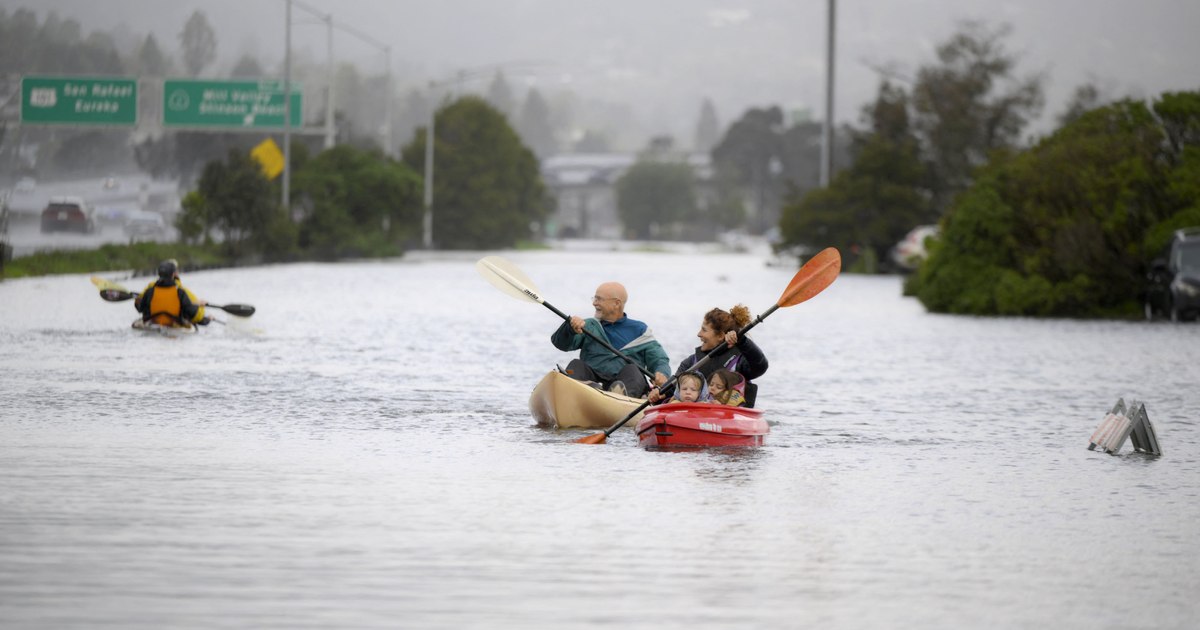
California, an American state with almost 40 million inhabitants, could be hit by a flood of a magnitude not seen for centuries, according to researchers. In 2023, hundreds of thousands of people were without electricity due to storms and floods.
Californians are accustomed to natural disasters such as earthquakes and wildfires, which in 2025 have destroyed more than 500,000 acres, caused dozens of casualties and huge damage.
In recent years, fires have dominated response strategies amid a prolonged 25-year drought and increasingly severe seasons, writes Science Focus
Scientists and officials are now preparing for not just one dangerous storm, but one “whirlwind” of 30-day megastorms, the likes of which the state has not seen in nearly 200 years. Such a scenario has always been possible, but rising global temperatures make it more likely.
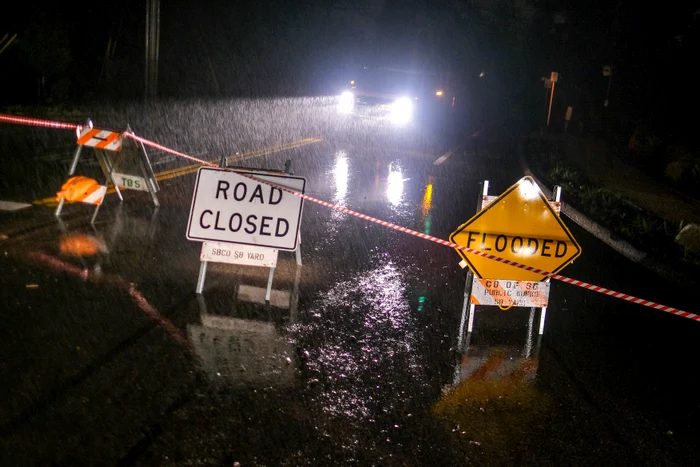
“We knew it was going to happen, it was just a question of when.” says Daniel Swain, a climatologist at UCLA.
“Before global warming, that ‘when’ could be centuries away. Now it’s very likely to happen in my lifetime.”
This storm system, called “ARkStorm 2.0“, could hit this year or 60 years from now, no one knows for sure. But when it does, it is likely to be one of the costliest disasters in history.
What is ARkStorm
Abbreviation from “Atmospheric River 1,000-year Storm” (storm type “atmospheric river” once every 1,000 years), ARkStorms are hypothetical megastorm scenarios.
Atmospheric rivers are huge streams of vapor that bring moisture from the tropics and can generate heavy rain or snow, and are essential to California’s water supply. But when they persist or occur in rapid succession, they can cause severe flooding and other disasters.
Based on historical events, the researchers created the ARkStorm scenario, which describes a series of extreme storms that could cause more than $1 trillion in damage and major flooding.
Climate change amplifies extreme precipitation in two ways:
1. Warmer air holds more water. For every additional degree Celsius, the atmosphere can hold about 7% more moisture. This is described as the “atmospheric sponge effect”.
2. Increase the snow limit. More precipitation falls as rain, not snow, and rapid snowmelt increases the risk of flooding.
These two combined effects lead to dramatic increases in river flow – as much as 200–400% in some areas.
In the past, such megafloods occurred once every 100 – 200 years. But climate change has already doubled the likelihood.
By 2060, such events could occur three times per century.
The biggest threat is to the Central Valley, a region key to agriculture and water infrastructure but vulnerable to extreme flooding for which current systems are not prepared.
Researchers are developing models to anticipate the impact, and authorities are testing scenarios through simulation exercises, already useful in the past, but funding remains insufficient.
