
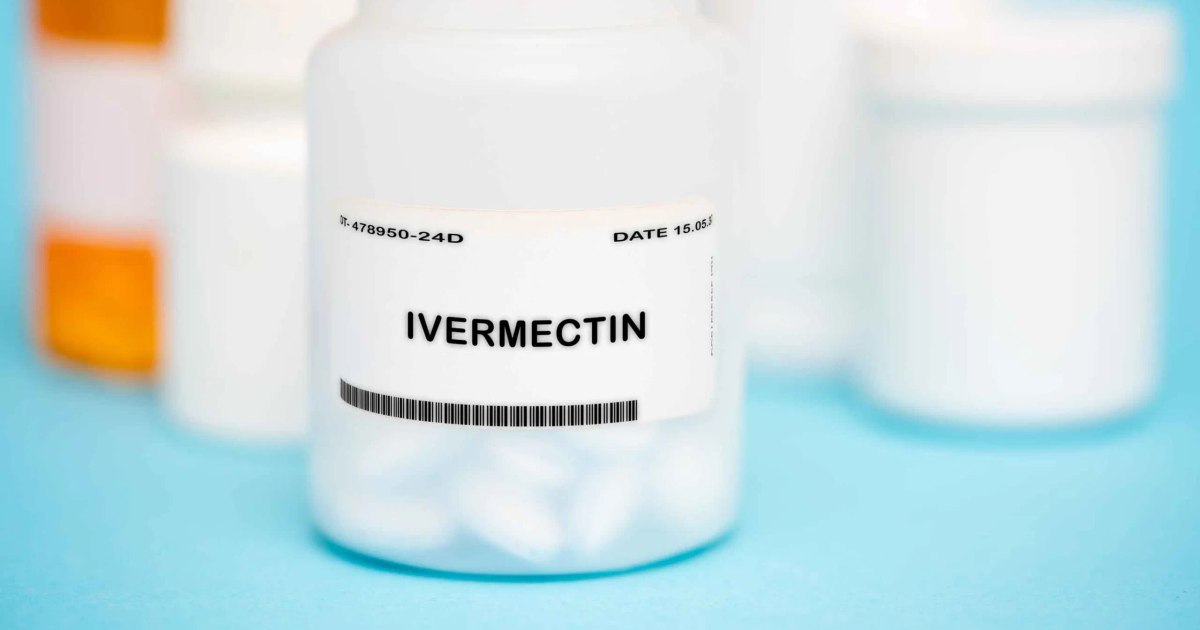
An antiparasitic drug that has been used for years for well-established indications has once again found itself at the center of an online controversy after actor Mel Gibson claimed on a wildly popular podcast that several people with stage IV cancer have been cured using ivermectin. A few months after that episode, the number of prescriptions for ivermectin doubled in the United States. “For me, when I hear something like this, it’s like hearing that a mermaid is swimming in the sea”says Dr. Mihail Pautov. Moreover, experts point out that, at present, there is no solid clinical evidence to show that ivermectin treats any type of cancer. Moreover, they say, self-medication can have very serious consequences.
How the new wave of interest in ivermectin began
On January 9, 2025, actor Mel Gibson appeared on the podcast “The Joe Rogan Experience”, where he recounted how three friends with stage IV cancer had recovered after taking ivermectin and fenbendazole. Excerpts from the podcast were widely shared on social media and garnered tens of millions of views.
Shortly after the podcast appeared, US researchers noticed a sharp increase in prescriptions for the ivermectin-benzimidazole combination. According to a study published in the journal JAMA Network Open and coordinated by UCLA researchers, the number of prescriptions doubled in the months following the episode.
The increase was even greater among cancer patients, where prescriptions were more than 2.5 times more numerous than in the same period the previous year.
The study’s authors say the phenomenon raises questions about the influence public figures and social media can have on people’s medical decisions.
What is ivermectin, actually?
Ivermectin is an antiparasitic drug used in medical practice for well-established indications. It is not approved as a cancer treatment.
Dr. Irina Anghel, specialist in medical oncology, says that currently “there is no robust clinical evidence to support its effectiveness in the treatment of cancer in humans, despite interpretations appearing online.”
Dr. Mihail Pautov, a specialist in general surgery, points out that much of the information distributed online omits an essential detail: the doses used in laboratory experiments cannot be compared to administration in humans.
“In the lab you take ivermectin, put it on some live cancer cells and see how they react in combination with other cytostatics. But the doses used in the lab are toxic to humans”he emphasizes.
He compares the situation to an absurd experiment:
“It’s like putting cancer cells in a dish and pouring chlorine over them. And we’d say, ‘Chlorine killed the cancer,’ and people would start drinking chlorine.”
According to the doctor, using invermectin without a medical indication can have serious negative effects:
“Ivermectin is toxic to the central nervous system. for the brain, for the nerves. There are even fatal documented cases of people taking ivermectin from internet prescriptions.”
And oncologist Irina Anghel talks about the risks of using it without medical supervision:
“These include neurological side effects, possible liver effects and drug interactions.”
The major risk: abandonment of oncological treatments
Beyond the side effects, doctors say the biggest problem comes when patients choose to replace treatments recommended by oncologists with therapies promoted online.
“When we say cancer, it’s like an umbrella term for many different diseases that include different cells, which have different signals, which respond differently. That’s why we have thousands of different treatments for cancer. Saying that ivermectin cures cancer is like saying that a compound makes you better. Better at what? There are a hundred things you can be better at. Same thing when ivermectin is said to cure cancer. Which cancer? That there are hundreds of cancers and thousands of different treatments through different mechanisms. It is ridiculous to think that ivermectin or any compound could treat cancer. It’s just like a children’s fairy tale. For me when I hear something like that it’s like hearing a mermaid swim in the sea”says Dr. Pautov.
The surgeon reminds that there are forms of cancer that can be successfully treated if detected in time. In these cases, delaying therapy can drastically reduce the patient’s chances.
The conclusion of the largest study on Ivermectin: it does not benefit patients with severe forms of COVID-19
“It’s tragic when people watch a podcast, like the one with Joe Rogan and Mel Gibson, they hear an anecdotal case – which we don’t know, it’s not documented, we don’t know if he did any other type of treatment. Maybe it was a patient who had skin cancer, treated him correctly according to the protocol, and took invermectin and completely cured him. We don’t know that. And people end up giving up conventional treatment that can save them, they do a treatment that is completely dysfunctional and dying because of it. That’s the tragic part.”says Dr. Mihail Pautov.
Oncologist Irina Anghel draws attention to the same risk:
“Using treatments promoted online instead of medical consultation can lead to scientifically unfounded therapeutic decisions. In the case of oncological diseases this can have significant consequences, including disease progression and reduced effectiveness of standard therapeutic interventions.
In addition, substances or therapeutic regimens without clinical validation can generate unpredictable side effects and interfere with the treatments prescribed by the doctor. For this reason, the medical community emphasizes the need to evaluate any therapeutic information through the lens of scientific evidence and specialized oversight.”
What do the studies cited online actually say
One of the papers frequently cited in discussions of ivermectin and cancer is an article published by researchers in 2020. But Dr. Mihail Pautov says the paper is often misinterpreted.
What is pancreatic cancer and why is it so dangerous?
,,The cited study is a literature review, meaning the scientists took and looked in the literature to see what was written about ivermectin and cancer. And they themselves say that there is no human study, that there is no representative group, we don’t know what they are treating”.
The doctor draws attention that even medical studies can be used to spread fake news.
“It is the perfect example of the fact that studies must be interpreted and analyzed by doctors and explained by doctors. When such a study gets into the hands of people who do not have good intentions, then these people say that there is a study that shows that invermectin is effective in cancer.”
And Dr. Irina Anghel points out:
“In the specialized literature, there are preclinical studies that investigate possible effects of ivermectin on some cellular mechanisms involved in oncogenesis. This research, mainly in vitro or in animal models, has suggested potential biological effects on cell proliferation.
However, preclinical results cannot be directly extrapolated to human use due to differences in pharmacology, dosage, and biological complexity. To date, there are no high-quality clinical trials demonstrating a therapeutic benefit of ivermectin in cancer, and the substance is not included in current oncology guidelines.”
