
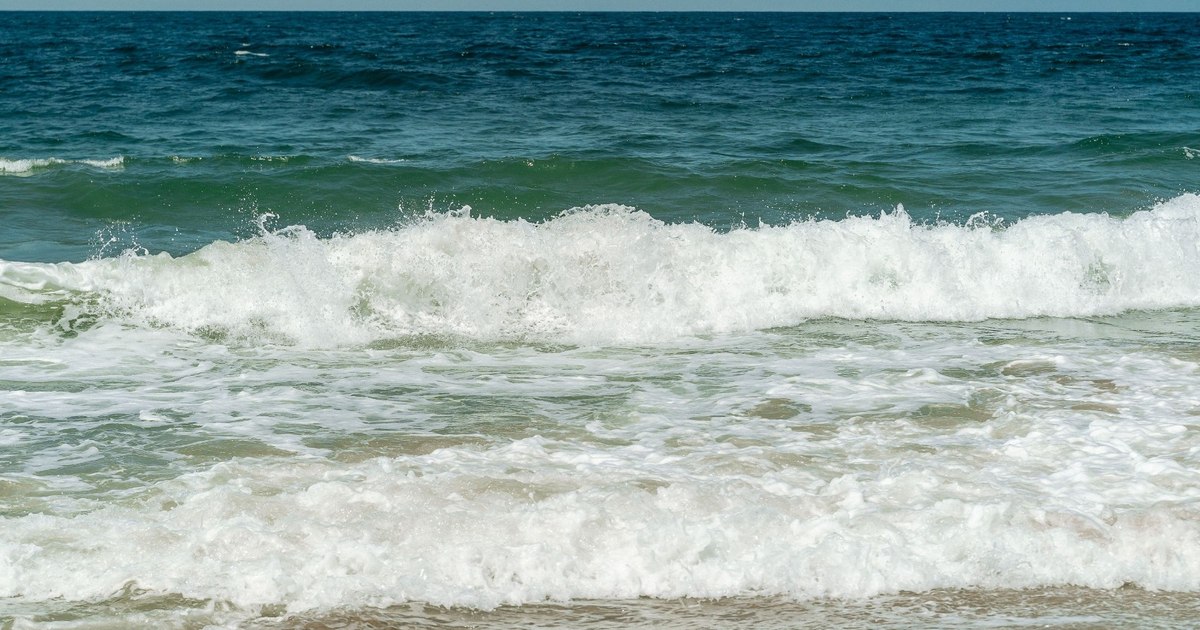
Vibrio bacteria, which use a combination of toxins and enzymes that destroy human tissue, have also spread to the Black Sea due to climate change.
A recent case of infection with the bacteria Vibrio vulnificus, also known as the “flesh-eating” bacteria, was recently reported in the United States, where a 17-year-old boy named Joziah Thompson was hospitalized after swimming with his siblings in the coastal waters of Florida.
The severe infection faced by the teenager draws attention once again to the dangers posed by this type of bacteria, which is no stranger to European shores, including the Black Sea.
Vibriosis, a seasonal infection specific to the warm season, can take serious and life-threatening forms, especially for people with weakened immune systems. In Europe, Vibrio bacteria thrive in popular bathing areas such as the Baltic Sea, the North Sea and, last but not least, the Black Sea, where their presence affects countries such as Romania, Bulgaria, Turkey and Ukraine.
The link between Vibrio bacteria infections and climate change is strong because they thrive in warm waters, especially when salinity levels are low. In the Baltic Sea, sea surface temperatures are indeed increasing and salinity levels are decreasing, precisely because of global warming.
As sea temperatures rise, so do the number of Vibrio infections in the Nordic countries bordering the Baltic Sea. Although Vibrio infections remain relatively rare, health agencies such as the European Center for Disease Prevention and Control warn of increased risks of Vibrio infections during summers with prolonged heat waves.
The observations were also confirmed by the European Center for Disease Prevention and Control, which warned last year that favorable conditions for Vibrio bacteria were becoming “increasingly common in parts of Europe due to climate change”.
How the bacteria is transmitted
Vibriosis is an infection that can become serious and life-threatening, especially among people with weakened immune systems. The main types of Vibrio bacteria that cause infections in humans are Vibrio vulnificus, Vibrio parahaemolyticus, and Vibrio alginolyticus, but there are at least a dozen types. Some Vibrio infections can lead to tissue death around an open wound, a phenomenon known as necrotizing fasciitis. Rarer types of Vibrio vulnificus infections can cause serious illness requiring intensive care or amputation.
Most people contract vibriosis through the intestinal tract by eating raw or undercooked shellfish such as oysters, mussels and clams. One can also become infected by swallowing water while swimming in infected coastal waters. A blood infection can occur when bacteria enter the body through cuts in the skin, either while swimming or, for example, on land when water from shellfish drips onto an open wound. Vibriosis cannot be passed from one person to another.
People with pre-existing conditions may be at greater risk of infection, including those with liver damage from hepatitis, liver disease, excessive alcohol or drug use. Also, people with cancer, diabetes, HIV, those on immune-suppressing therapies or taking drugs to reduce stomach acid are more vulnerable.
Spectacular beaches in Greece coming under tough rules due to over-tourism: Lefkada is targeted by new measures
In the United States, about 1 in 5 people die within two days of contracting a Vibrio vulnificus infection, according to the US Centers for Disease Control and Prevention. The CDC estimates that approximately 80,000 illnesses and 100 deaths from Vibrio infections occur in the United States each year.
The symptoms of vibriosis depend on the type of infection, but are generally similar to those of other common infections, such as the flu or an upset stomach: diarrhea, cramps, nausea, vomiting, fever, and chills.
Signs of a Vibrio infection in the bloodstream include extremely low blood pressure and blisters around skin lesions. Vibrio wound infections can cause symptoms such as redness, pain, swelling, and sores that secrete fluid.
Who is at increased risk of infection
In Europe, the Baltic Sea is a prime location for Vibrio bacteria, affecting people in coastal areas of Denmark, northeastern Germany, Finland, Estonia, Latvia, Sweden, Lithuania, Poland, and Russia. In the North Sea, the bacteria live around the Dutch and Belgian coasts, and in southeastern Europe, they are concentrated in the Black Sea, affecting the population of Romania, Bulgaria, Turkey and Ukraine.
The total number of vibriosis cases in Europe annually is several hundred, and a significant increase was seen in 2018, when 445 cases were reported.
To avoid vibriosis, experts recommend not eating raw or undercooked crustaceans. Health agencies also advise against swimming in brackish or salt water if there are open wounds. If a cut occurs while swimming, it is recommended to get out of the water and properly clean and dress the wound.
People who have a pre-existing medical condition, know their immune system is compromised or have recently undergone surgery and wish to swim in a coastal area should consult their doctor for appropriate advice. It is also important to note that brackish coastal locations are favorable environments for the development of Vibrio bacteria, firstly because the mixing of salt and fresh water occurs there, and secondly because they are often enclosed or estuaries, allowing the bacteria to thrive almost undisturbed.
