
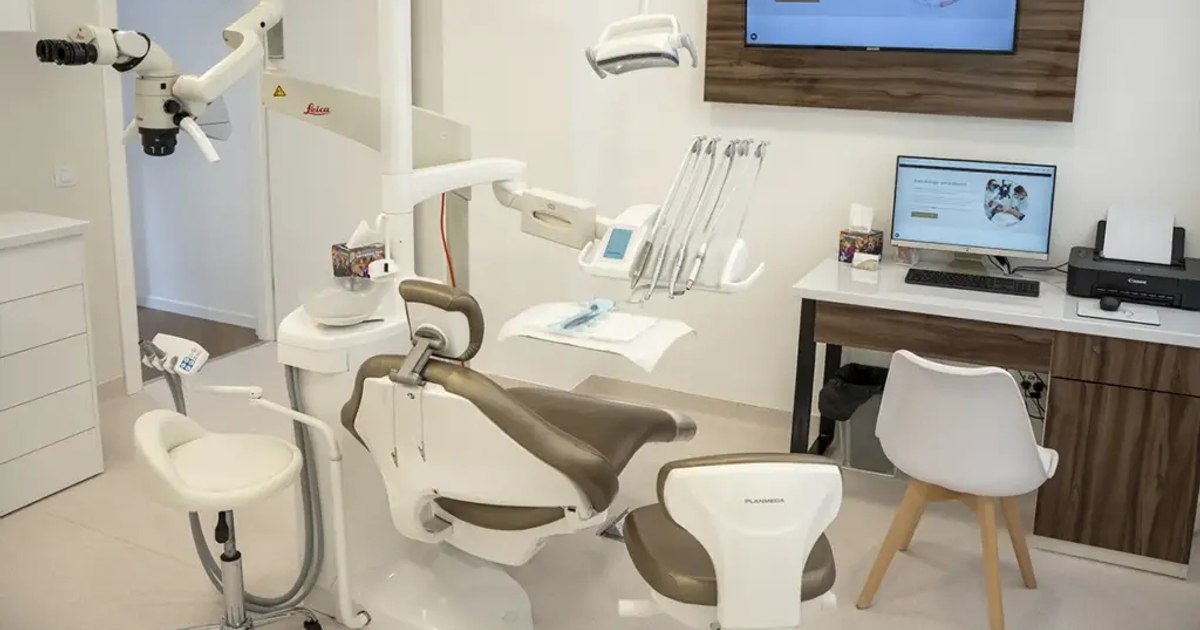
Choosing a dental office in Bucharest is no longer just about proximity. In recent years, patients are increasingly looking for a clear combination of medical team experience, technology, strict hygiene protocols and transparent communication. Because the decision influences not only the comfort during the treatment, but also the long-term results, specialists recommend a careful evaluation of several essential criteria before the first appointment.
In a large city with many options, the real differences between practices are seen in the details: the way the initial consultation is done, the quality of the radiology and instruments, the treatment plan with clear steps, adherence to sterilization protocols, and the way the doctor explains the options available. A good dental office does not promise “miracles”, but provides correct information, options adapted to each patient and a predictable path, with an emphasis on prevention and long-term oral health.
Why the initial consultation matters (and what it should include)
The first consultation is often the moment that differentiates a quality-oriented office from one strictly focused on volume. A full consultation means clinical assessment, discussion of symptoms and habits, actual care recommendations and, where necessary, imaging investigations. Depending on the situation, the doctor may recommend dental X-ray, panoramic or CBCT, for a clear picture of the dental structure and bone. A professional treatment plan should be clearly explained to the patient, with stages, alternatives, estimated duration and costs presented transparently.
“The patient needs clarity right from the start: what problem we are treating, what options are available and why we are recommending a certain solution. Proper communication reduces anxiety and increases predictability, which translates into a better experience for every patient“.
Hygiene and sterilization: non-negotiable standards
In dentistry, hygiene is not a “plus”, but a basic condition. A dental practice in Bucharest that complies with the standards will have a clear circuit of the instruments and will be able to answer questions related to sterilization without hesitation. Autoclaving instruments, using disposable supplies where appropriate, disinfecting surfaces and following patient protocols are elements that should be visible and assumed. It’s also a good sign that the staff explains the steps naturally, without it seeming like an “awkward” question from the patient.
Technology that increases accuracy (and comfort)
Beyond the “modern” name, there are technologies that can really change the quality of the medical act: digital radiology, magnification (loupe/microscope) in certain treatments, intraoral scanning for prosthetic work, high-performance endodontic instrumentation for root canal treatments, pain management systems and patient comfort monitoring. They are not mandatory in every case, but they can count enormously in specific situations, especially when we are talking about complex treatments, oral rehabilitation or surgical interventions.
A well-organized dental practice discusses these options without pressure, explaining when they are useful and when they are of no real benefit. For the patient, this means informed decisions and a sense of control over treatment.
Specializations and multidisciplinary approach
Bucharest offers a wide variety of offices, but not all of them have the same coverage of services. Depending on the needs, it is important to check if there are specialists or collaborations for: endodontics (root canal treatments), periodontology (gums), prosthetics (crowns/bridges), orthodontics (dental braces), dento-alveolar surgery (extractions, interventions), implantology (dental implant) or dental aesthetics (whitening, veneers). A major advantage is the multidisciplinary approach, where cases are discussed as a team, with a coherent plan, staged and adapted to the patient’s budget and time.
Transparency of costs and milestones: what is “fair”
A dental office in Bucharest with a responsible practice will be transparent about the costs and explain the differences between the alternatives. In many situations there are 2–3 possible solutions, each with indications, benefits and limitations. A serious cabinet will not oversimplify, but neither will it load the discussion with hard-to-follow terms. It is ideal to receive an estimate and a clear structure of the stages so that you know what comes next and why.
Also, pay attention to the details of post-treatment follow-up: checks, adjustments, periodic sanitizations and personalized recommendations. Here, prevention makes the difference.
Appointments, emergencies and the patient experience
A practical but important criterion is accessibility: online or phone scheduling, quick confirmation, punctuality, emergency management. If you have acute pain, swelling or a fractured tooth, reaction time matters. A well-established practice has a clear process for dental emergencies and explains the steps from first contact to treatment.
“We try to keep a calm and predictable approach, especially for anxious patients. Many times, fear comes from the unknown. When each step is explained and the patient knows what is coming next, things become much easier“.
In this context, careful evaluation, personalized treatment plan, modern technologies where they bring real value and rigorous hygiene protocols. The office emphasizes communication and solutions suited to each case, with clearly explained options and well-established steps.
Patients can request an appointment for an initial consultation and receive recommendations on prevention, regular cleaning and appropriate steps for treatments such as fillings, root canals, prosthetics, orthodontics or dental implants, depending on personal needs and the doctor’s recommendation.
