

A new UN report indicates that the world is fast approaching critical climate thresholds.
A new report from the World Meteorological Organization shows that the planet is fast approaching new historical temperature records. Specialists warn that the effects of the climate crisis are becoming increasingly difficult to control, and the El Niño phenomenon could accelerate global warming as early as 2027.
The world is almost inevitably heading for a new all-time record temperature by the end of this decade, the World Meteorological Organization (WMO) warns, in a report describing an unprecedented acceleration of the climate crisis cited by The Guardian.
According to estimates made by Britain’s Met Office weather service for the UN agency, there is an 86% chance that at least one of the years between 2026 and 2030 will surpass the record set in 2024 and become the hottest year on record.
The report also shows that there is a 75% probability that the average global temperature in the period 2026-2030 will be more than 1.5 degrees Celsius higher than the average of the pre-industrial era, a threshold considered critical by the international scientific community.
Extreme phenomena around the world
The warning comes at a time when several regions of the world are already experiencing extreme weather phenomena. Europe and the UK have been hit by historic heatwaves in recent days, while other areas such as India and much of Asia are feeling the effects of increasingly unbearable temperatures.
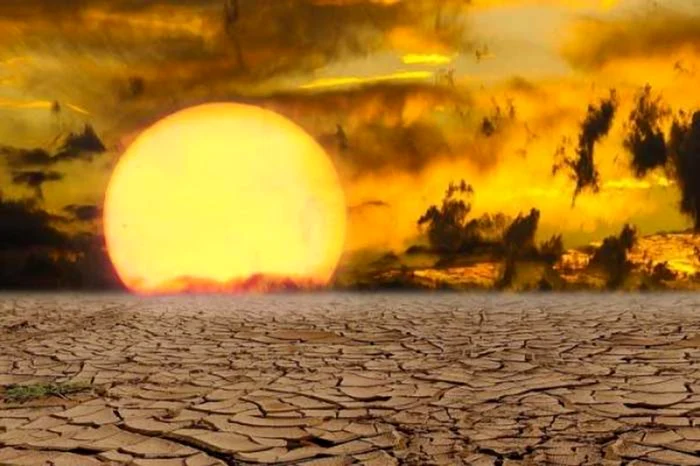
At the same time, carbon dioxide emissions from the burning of fossil fuels continue to increase, amplifying the accumulation of heat in the atmosphere and intensifying extreme phenomena.
The consequences are already dramatic. Current estimates show that global warming is killing one person every minute, and the toll could rise significantly if emissions are not reduced quickly.
Simon Stiell, the UN climate chief, described the current situation as a wake-up call that cannot be ignored, insisting that protecting economies and populations from the effects of extreme heat must become a global priority.
“Protecting lives, businesses and economies from extreme heat and the many rising costs of climate change is a fundamental priority for every state, and it starts with moving away from fossil fuel dependence much faster.” said Simon Stiell, pointing out that clean energy is already cheaper than fossil fuels and can be produced faster.
El Nino accelerates global warming
Scientists have been warning for years that exceeding the 1.5 degree Celsius threshold will bring more severe heat waves, prolonged droughts, violent storms and more frequent flooding, while it will become increasingly difficult for communities to adapt.
In this context, researchers emphasize that every fraction of a degree avoided counts and can reduce the extent of damage.
The El Niño phenomenon, expected to set in by the end of the year, also plays an important role in increasing temperatures. According to the US National Oceanic and Atmospheric Administration, there is a 96% chance of El Niño occurring between December 2026 and February 2027, and a 35% chance of a “super El Niño”.
The phenomenon occurs as a result of the change in the circulation of winds in the Pacific Ocean, a process that releases the heat accumulated in the ocean waters into the atmosphere.
The report also warns that the Arctic is warming at a much faster rate than the rest of the planet, and experts estimate that the next five winters in the region will see temperatures about 2.8 degrees Celsius above recent averages, meaning the Arctic is warming more than three times faster than the global average.
Rainfall forecasts also indicate major changes in the coming years. Northern Europe, the Sahel region, Alaska and Siberia are expected to see higher levels of precipitation between May and September, while the Amazon rainforest could experience drier than usual periods.
The data presented by the WMO paint a picture of a planet entering a period of heightened climate instability, where extreme events are becoming more frequent and the time available to reduce emissions and limit the effects of global warming is rapidly shortening.
