
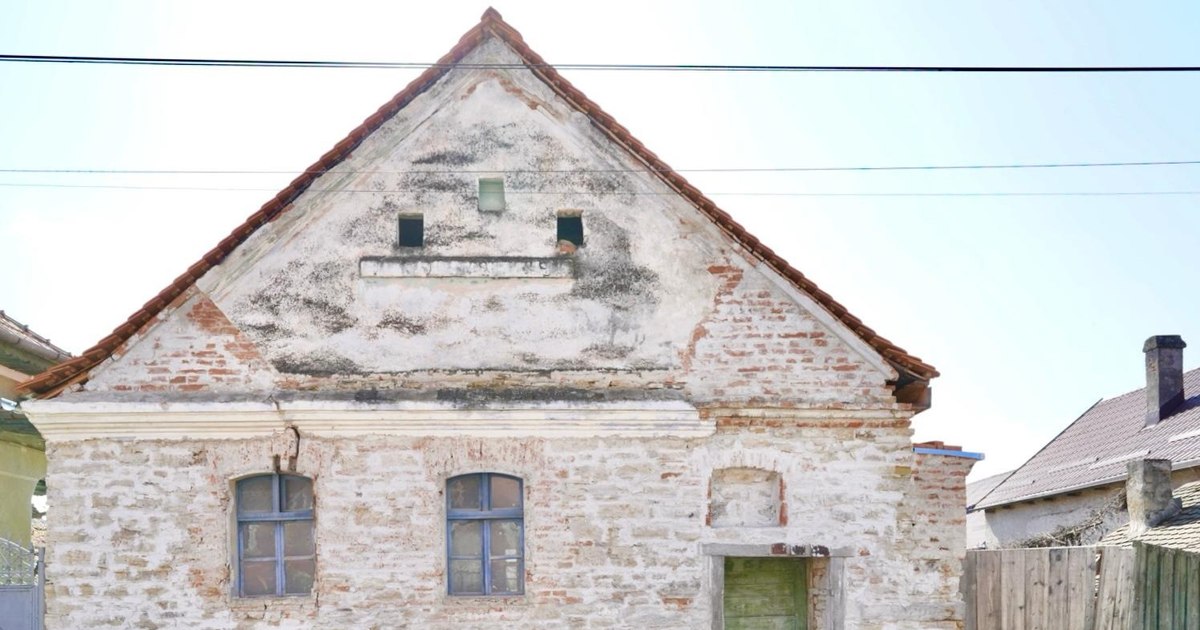
In a house from the end of the 19th century, in the village of Șona, Brașov county, the ARTEP Gallery Association is building step by step a meeting place for artists, curators and researchers from different areas of contemporary culture. “110 Artistic Residency” aims to transform the restoration of a house into a laboratory of ideas, where art, research and dialogue become part of the same process.
An old house becomes a space for art and dialogue.
In a country where major theatres, museums or established festivals hardly manage to keep culture afloat, much of artistic life takes place outside the institutions. Romania has around 4,000 non-governmental organizations active in the cultural field – small groups, local associations or artist collectives that work constantly, often without public visibility and without stable support. For many of these actors, the National Cultural Fund Administration (AFCN) has become, in recent years, the only chance to move their projects forward. Created in 2005, AFCN operates under the authority of the Ministry of Culture, but has autonomy in organizing funding sessions. In 2025, only 31% of the 702 projects registered in the first session received support – the rest remained outside.
This is the third episode of the series “Arta de a ristista”, brand “Weekend Adevărul”, about the people and initiatives that keep the culture alive in Romania. In this episode, we talk about the 110 Artistic Residency, a project that combines rural heritage, international collaboration and artistic research in a shared space of work and creation.
In an old house from the late 1800s, located in the village of Șona, near Brașov, the ARTEP Gallery Association is setting up an artistic residency that wants to go beyond the boundaries of the visual arts. The “110 Artistic Residence” project began in 2021, with the purchase of the house and an ambitious restoration plan, designed to transform this space into a work and meeting place for artists, curators and creators from all cultural areas.
Until the restoration is completed, part of the activities are carried out in Iasi, in partnership with the Berlin institution HKV. In parallel, the ARTEP Gallery develops international collaborations that offer Romanian artists research experiences outside the country. “AFCN co-financing is very useful. We cannot deny the importance of a budget that helps you develop a major residency, because maybe if we didn’t have this co-funding, then we wouldn’t have so many artists, five in number, in research residency in Berlin for two weeks“, says Mihaela Irimescu, gallerist at ARTEP Gallery and president of the association with the same name.
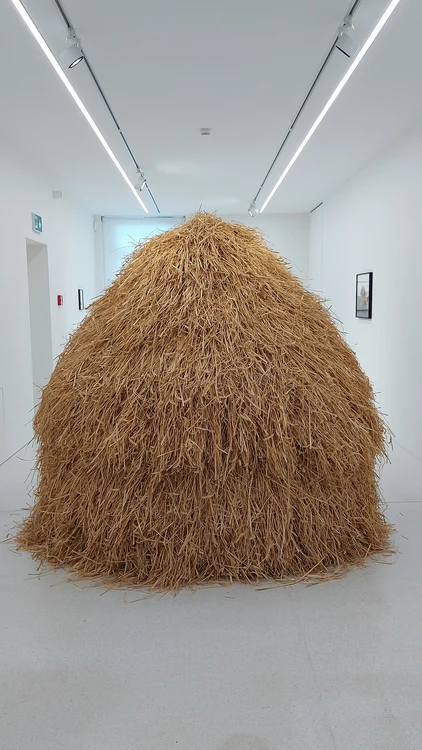
AFCN funding makes the pace and consistency of residency possible.
Last year, two curators and two artists participated in both the residency in Berlin and the one in Iasi, and conferences and other related events were organized around these residencies. For this year’s edition, the project also includes a group exhibition. It believes that such funding is essential for any organization that wants to develop new projects. The impact of the project can be seen both in the diversity and mobility of the artists involved, and in the increased visibility of the independent scene. “The feedback is positive, because we met new artists, new curators, I’m also talking about art lovers, who understood exactly our approach and obviously we, in turn, got to know the world of the cultural area in a much more complex way, through the Rezidența Artistică 110 project“.
In the absence of state support, the development of the project would have been much slower, and the initiatives would have had to be rethought. “They helped us with a project that really, without AFCN co-funding, probably would have taken us longer to develop. It’s a project with which I actually won an award at AFCN three years ago. It’s called Șona – the memory of a place. It’s a project to archive old photos, of vernacular architecture from southern Transylvania. And if we didn’t have the funds, I think we would have rethought it in a much slower development“.
For the ARTEP Gallery, project support comes from a combination of public co-financing, private sponsorships and income from the sale of the works of the artists represented. The association developed as a private initiative and relied, from the beginning, on the diversification of funding sources. “Co-financing is always limited both in time and in amount, that’s why we try to secure our projects from other sources, not only from the state“, explains Mihaela Irimescu.
Public funding, however, has a decisive role in the cultural ecosystem, even when the weight is smaller in the general budget. In the budget of the ARTEP Gallery, funds from AFCN represent less than half of the total resources, but their role remains decisive. “They are very important, not only for us, but for all associations that work in the field of art“, emphasizes Mihaela Irimescu.
