
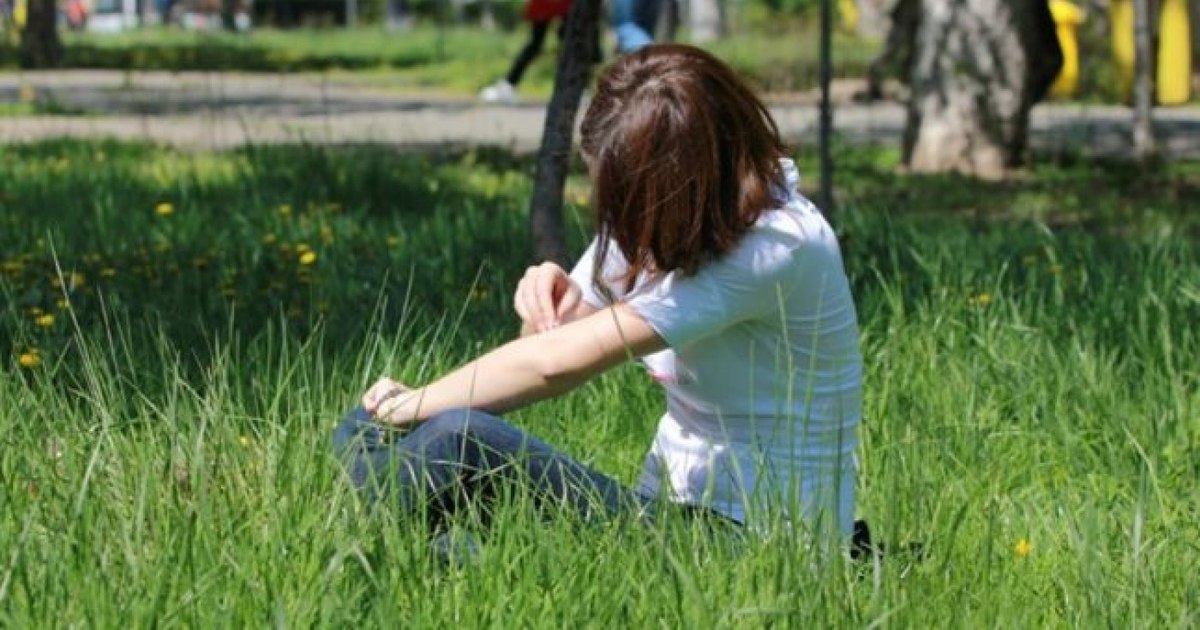
Tick bites have begun to multiply, so after an outing in nature, doctors advise parents to control children when returning from playgrounds and avoid areas with large vegetation as much as possible.
Ticks can be extremely dangerous PHOTO: Archive, The Truth
“What to do in the event of a bite: complete extraction of the tick; presentation to the doctor for the initiation of antibiotic prophylaxis; monitoring the bitten area for two to three weeks, and if the redness appears in a circle, presenting again to the doctor. But the most important point is the disinsection of both public areas full of children such as parks, kindergarten and school yards, playgrounds, etc., as well as private ones by serious companies”. claims Dr. Eduard Egri, family doctor.
Tick bites can be dangerous, so they must be extracted through a surgical intervention as soon as possible.
“Extraction is preferably done by specialized personnel. Do not squeeze the tick that has bitten you between your fingers so as not to pump its intestinal contents with microbes into your blood. If you tried to remove the tick with tweezers and its head broke off and remained in the skin, the presentation to the doctor and surgical extraction is an emergency to prevent infection and complications. Prevention of Lyme disease involves prompt extraction of the tick and administration of antibiotics,” explains doctor Tudor Ciuhodaru.
The medication is often given at home for up to 10-14 days. Consult a doctor immediately, especially if there are changes in the bite or the varied symptoms of the so-called “summer flu” accompanied by muscle pain, sweating or stuffy nose, the doctor says.
“Note the date the tick was drawn. Watch for any
Doctor, about how to protect ourselves
Not all ticks carry Borrelia, so not all people bitten by a tick will develop Lyme disease. The adult tick is visible on the skin (more difficult in hairy areas) and must be removed immediately, but “the nymphs are very difficult to visualize (they look like a black dot the size of a needle)”.
“Always screen children when returning from playgrounds; avoid areas where the risk of being bitten by ticks is high (green spaces, bushes, under trees). The risk increases in these hot days due to the simple style of clothing, as well as outdoor activities in areas populated by tick colonies. Beware of children's playgrounds! In risk areas, wear light-colored clothing with long pants tucked into socks with a thicker texture. Choose shoes that are light in color, without holes or cutouts”the doctor also sent.
