
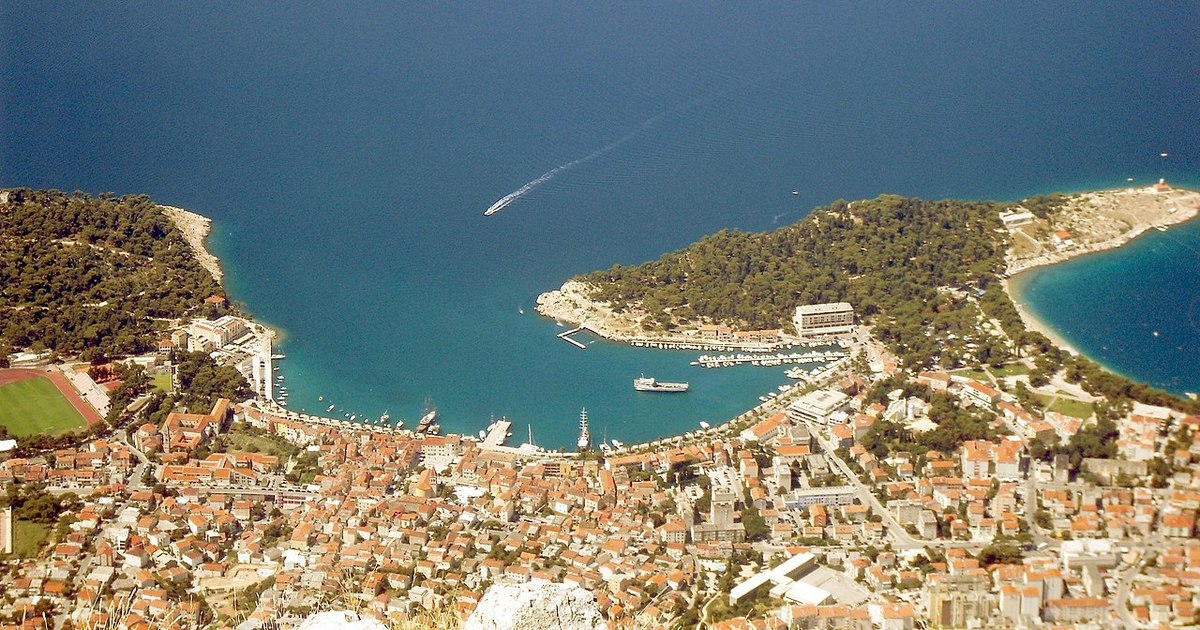
One of the most popular holiday destinations for Romanians, introduces severe restrictions on the sale of alcoholic beverages in crowded tourist areas, in an attempt to combat excessive tourism and the problematic behavior of some visitors.
Croatian authorities have amended the Trade Act, giving local administrations the opportunity to limit the sale of alcohol between 20:00 and 06:00, in areas affected by noise, public disorder or incidents caused by tourists, notes the Express publication.
The measure does not apply to bars, restaurants and premises that hold licenses to serve alcohol. However, the restrictions apply to shops, supermarkets and home delivery services.
The city of Split is among the first local governments to voice their support for the new rules. The authorities claim that the measure is necessary after years of complaints from residents of major tourist destinations, who complained about the behavior of tourists under the influence of alcohol.
According to Croatian officials, the new rules aim to reduce nighttime incidents and protect the quality of life of local communities.
Stricter rules for minors
The new legislation also introduces additional obligations for traders. Any customer who appears to be under the age of 18 will be required to show identification before purchasing alcohol.
The rule also applies to self-service cash registers, where age verification becomes mandatory.
At the same time, online stores that sell alcoholic beverages will be obliged to verify the identity of buyers through the national e-Građani digital identity system. Purchases will not be able to be completed without age verification.
More than 21 million tourists in a single year
The authorities’ decision comes amid a new tourist record. In 2025, Croatia was visited by more than 21.8 million tourists, who generated approximately 110 million overnight stays.
The number of arrivals increased by 2% compared to the previous year, and the pressure on the big resorts on the Adriatic Sea became greater.
With the new restrictions, Croatian authorities are trying to strike a balance between the tourism industry and the need to protect residents in the country’s most congested areas.
