
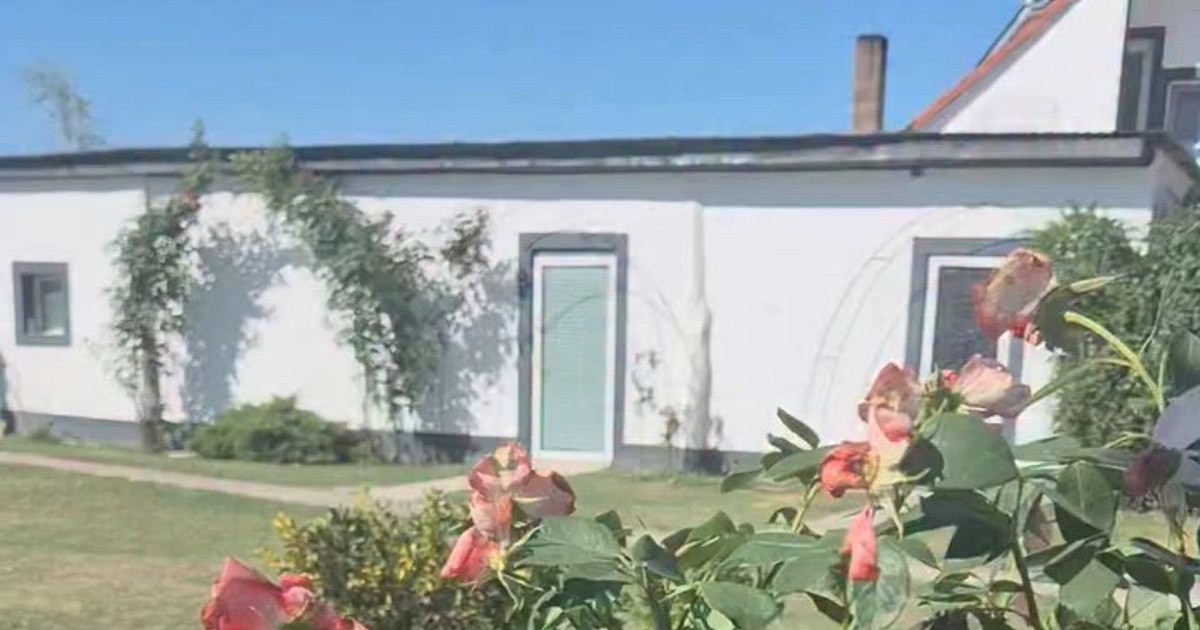
A few days after being placed under judicial control, Viorel Pașca published on Facebook a video filmed at the center in Dumbrava, one of the buildings in the DIICOT investigation regarding suspicions of human trafficking and the creation of an organized criminal group. In the images posted, the courtyard and the building appear deserted, after the relocation of the beneficiaries who lived here. “It is deserted, there are no more patients,” says Viorel Pașca.
In the images published by Viorel Pașca, the yard full of roses and the gazebo in the center’s premises appear, followed by shots from inside the building: the deserted hall, the empty kitchen, the library and the residents’ rooms, now empty of people.
“Good morning, dear friends! I am at Dumbrava, in one of the asylums of horror, where the atrocities happened, where the sick were tortured. Yes… you get the irony. It is quiet here now, far too much quiet. An oppressive silence that seems to hurt. It is deserted, there are no sick people left.”says Pașca in the video published on the social network.
In the recording, he captures a parrot left alone in the center. “He’s the only one left here alone. They didn’t resettle him, because he doesn’t need a permit to stay here in these miserable conditions.” says Viorel Pașca.
The leader of the Association “Dumbrava – God Takes Care” returned to Bihor county after escaping from preventive detention and being placed under judicial control.
He is being investigated by DIICOT prosecutors in a file aimed at the establishment of an organized criminal group and human trafficking. Following the searches carried out in Bihor county, the investigators discovered over 400 people in clandestine buildings, as well as a safe containing hundreds of bank cards belonging to the beneficiaries.
According to prosecutors, the network would have been operating since 2006 and would have exclusively targeted people with severe disabilities or homeless people.
Investigators claim that the victims were stripped of their documents and phones, isolated from their families and left in the care of caregivers without medical training, while the group members collected their pensions, disability allowances and other monetary rights.
11 people are being investigated in the file, including Viorel Teodor Pașca, members of his family and several collaborators. The prosecutors retained 210 material documents regarding the investigated crimes in charge of the main defendant.
At the end of the hearings held on Thursday, July 2, the court ordered the placement of Viorel Pașca under judicial control, while the DIICOT investigation continues.
Pašca: “I chose 300 who had no income, that’s how well I selected them!”
In his defense, Viorel Pașca said that the people under the care of the association were sent by state institutions and that the activity carried out over the years was exclusively humanitarian in nature.
Asked about the allegations that he would have exploited the vulnerability of the beneficiaries and about the existence of bank cards found by the investigators, he categorically rejected the suspicions. “How did we exploit the 300 people who didn’t have a single lion?”said Viorel Pașca.
Regarding the criteria according to which patients were admitted to the center, Pașca explained that only people without family support and without material possibilities were accepted. “I said every time they had no home, no family, no income. What a good selector I was if I chose 300 who had no income, that’s how well I selected them!”he said.
“The hospital makes a request to the ambulance for the patient to be taken to a certain address. It happened that they called me from the ambulance if I accept to bring a patient. They brought over 3,000 people in 20 years and I don’t think there is a county in Romania that did not send patients. Penitentiaries, police, DGASPCs, town halls. These are institutions that sent patients, I did not go to collect them”. declared Viorel Pașca.
