
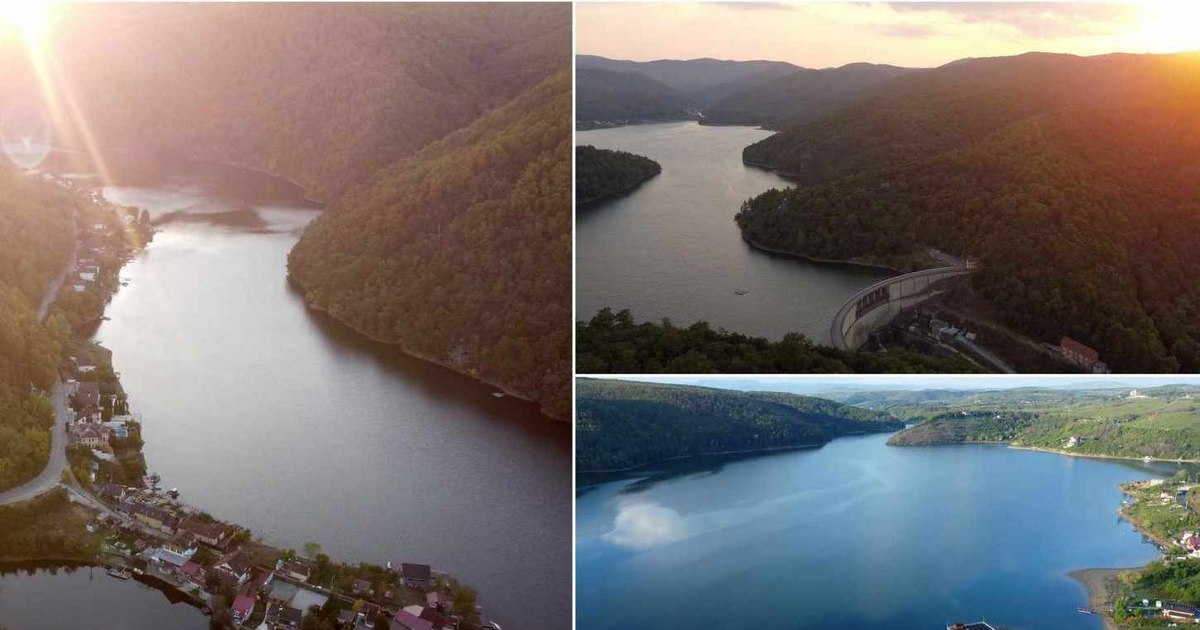
Six decades have passed since the establishment of Lake Cinciș in Hunedoara, whose dam was inaugurated in 1964, in the Cerna valley. Both of its banks have undergone radical transformations.
Lake Cinciș from Hunedoara. Photo: Daniel Guță. TRUTH
in the 60s, the hydrotechnical development on the Cerna river radically transformed the appearance.
The villages of Cinciș and Cerna and their neighboring hamlets in the Cerna valley in Hunedoara were swallowed up by the waters, their inhabitants being displaced to the new Cinciș-Cerna village, and the shores of the new reservoir became, over time, recreational areas, even if they did not have of seats and enough accommodation.
The holidays on the shore of Lake Cinciș
In the summer, thousands of Hunedo residents spent their weekends with their tent, on the shore of Lake Cinciș (video), where the former gardens and pastures on the right bank of the water became campsites.
The busiest days of the year were around August 15 – the Feast of Saint Mary (the Assumption), which, however, had another meaning for the communist regime.
On August 15, Steelworkers’ Day was celebrated, and as Hunedoara was a working town, developed around the steel plant, thousands of locals were invited to the celebrations organized on the shores of Lake Cinciș. Numerous miners also spent Miner’s Day on the shore of Cinciș Lake, celebrated every year on August 6.
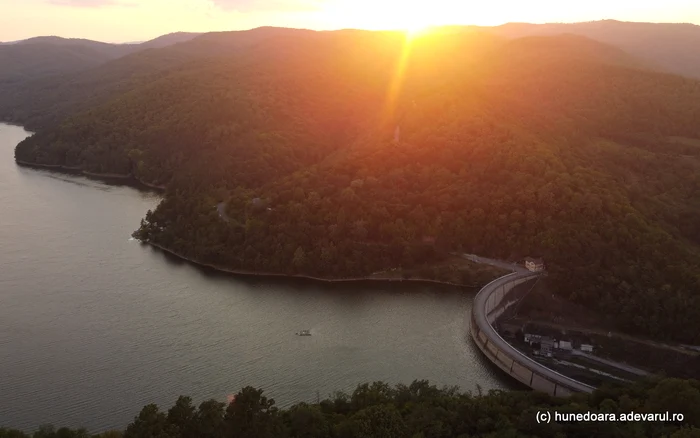
Cincis Lake Dam. Photo: Daniel Guță THE TRUTH
In recent years, neither of the two labor holidays has been held on the lake shore.
Lake Cinciș, “the coast from the mountain”
In the past, people arrived on the shore of the Lake by buses that traveled on the Hunedoara – Teliuc – Cinciș roads, built in the 60s, and from Ghelari, the mining town located about seven kilometers away, and upon arrival their first thought was to look for a place the better to pitch his tents.
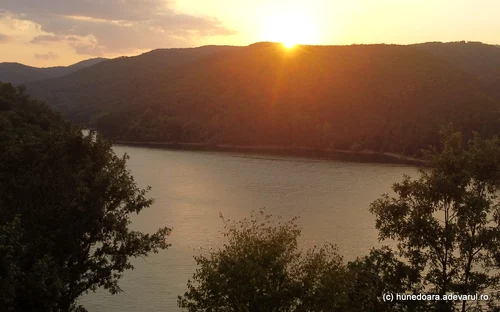
Image 1/13:
Lake Cinciș in Hunedoara Photo Daniel Guță THE TRUTH (36) JPG
The luckiest ones found accommodation at the Cinciș motel – in the past of the County Tourism Office (OJT), at the Casa Albă complex – of the combined, in the OJT cabin camping or in the leisure facilities of the Hunedoara Construction Company (ICSH) or the Branch Rusca mines, to which the Teliuc and Ghelari mines from Hunedoara belonged.
The tents were, however, for years the basis of tourism on the shores of Lake Cinciș in Hunedoara.
“Not even 24 hours have passed and here are the expeditioners a few hundred kilometers from Bucharest, from their homes and parents. I am on the shore of Lake Cinciş. The tents are set up, the food is boiling in the pots on the hearth, there is silence and peace all around and it is so beautiful that you feel like saying that only here and like this, as an expedition, you should spend all the days of your life”informs the Cutezătorii magazine, in 1984.
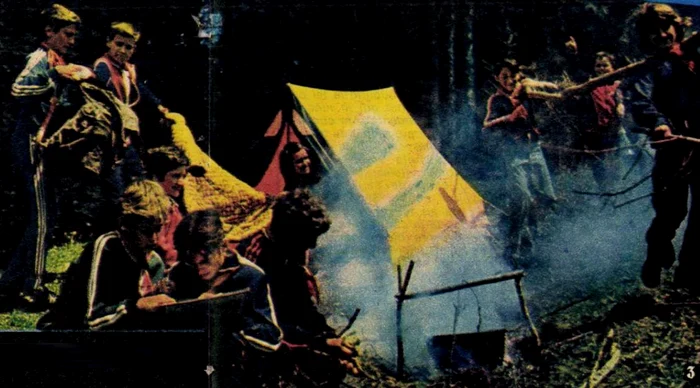
With the tent on the shore of Lake Cinciș. Cutezătorii magazine. 1984
In the 70s, the Hunedoara authorities proposed the construction of some blocks to accommodate tourists or the provision of regular Hunedoara – Lake Cinciș trains, to take the workers, upon leaving the shift, to the shore of the lake.
At the White House, tourists could find a swimming pool, a small football field and the popery put into use in 1978.
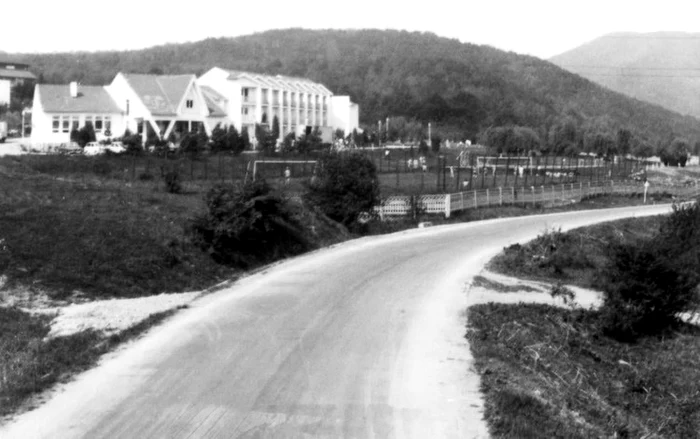
The White House in the 70s. Illustrated.
At the Cinciș motel, they could swim in a small beach, and on the opposite shore they could find a sports base for kayaking and canoeing. On weekends, they could go out on the water by steamboat or rental boats, and fishermen had many places to satisfy their passion.
“In the Cinciş reservoir, in the Poiana Ruscăi mountains, and in the alpine lakes Tăul Agățat and Tăul de sub Piatra Bucurel, more than half a million trout fry were released“, informed Viața Economică in 1969.
Ceaușescu’s villa, hidden by the forest
On the days of workers’ holidays, Hațegana beer and an assortment of it – Cinciş beer, produced at the brewery in the town of Haţeg, were extremely sought after, and the stock of beer offered to the workers quickly ran out.
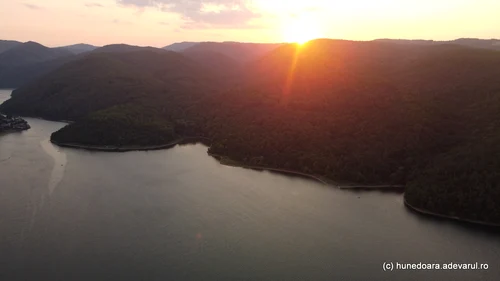
Image 1/24:
Lake Cincis from Hunedoara Photo Daniel Guță THE TRUTH (21) JPG
Sports competitions, a run between the motel and the White House, and tourist orienteering contests, with winners awarded to businesses, also attracted hundreds of participants.
Even Nicolae Ceaușescu was reserved a rest house, in case he wanted to visit the “mountain coast”, as the recreation area was called. Behind the White House, a building less accessible to the locals was erected: the former villa intended to host the president of communist Romania.
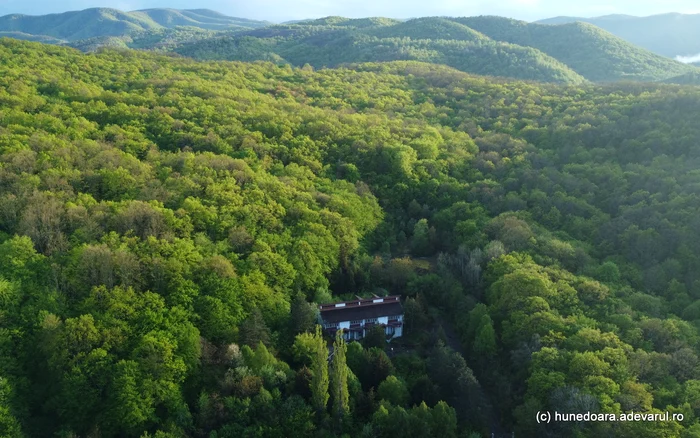
The protocol villa intended for Ceaușescu. Photo: Daniel Guță
Viorel Răceanu, the former mayor of Hunedoara during the years of the communist regime, declared that Nicolae Ceauşescu stayed twice in the protocol villa of the White House.
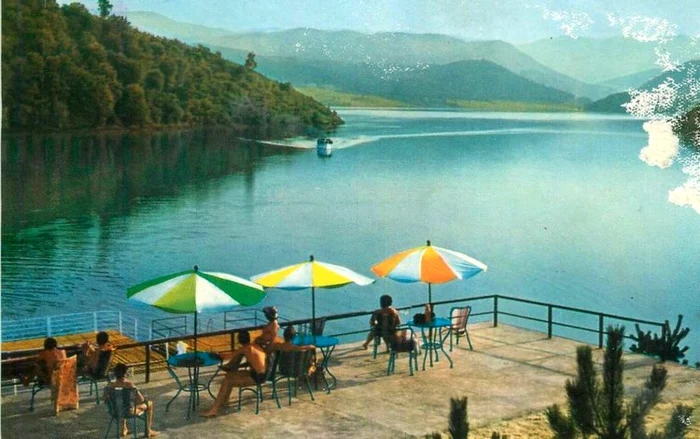
Lake Cincis in the 70s. Illustrated.
The guests of the complex were, however, most often the party activists, the athletes who came to the camps and the people from the management of the steel plant. In recent years, the protocol villa has not been used, and the forest that has grown around it has almost completely hidden it.
The transformation of Cinciș lake after 1990
The Cinciș Lake area has gone through a new stage of transformation since the mid-90s, when numerous lands on the water’s edge became private properties, following the appropriations made by the municipality of Teliucu Inferior.
Since then, the construction of the first villas on the right bank of the water began, and over time the number of holiday homes continued to increase, while the vacant land, used in the past as camping sites, decreased.
In recent years, the number of guesthouses and accommodation for tourists has also increased, but the number of guests staying overnight on the shores of Lake Cinciș has decreased compared to the previous decades.
The road from the 60s remained unmodernized on the seven-kilometer sector that crosses the right bank of the lake, instead, the Cinciș Lake holiday village was recently connected to the sewerage network.
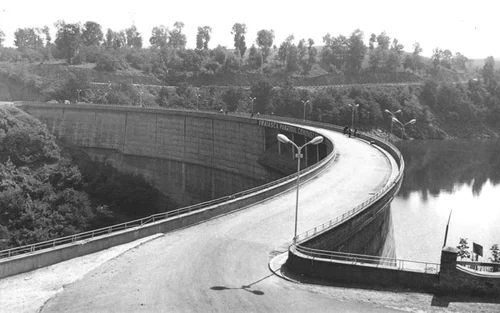
Image 1/14:
cincis lake in the 60s and 70s in illustrated delcampe ebay com
In the six decades since the establishment of Lake Cinciș, the left shore has gone through visible transformations. The forest grown in the 60s now completely covers the banks of the water, used in the past as grazing grounds or occupied by the households of hamlets such as Tătăuș and Baia Craiului, of which a few houses remain.
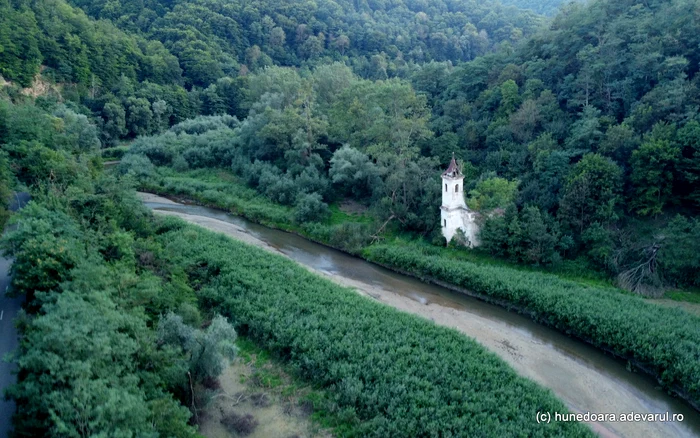
The church at the tail of Cinciș lake. Photo: Daniel Guță THE TRUTH
And the upstream area of Cinciș lake, where the ruins of the two churches from Baia craiului, abandoned since the 60s, are located, has changed. Several islands were formed here, due to the alluvium brought by the waters.
