
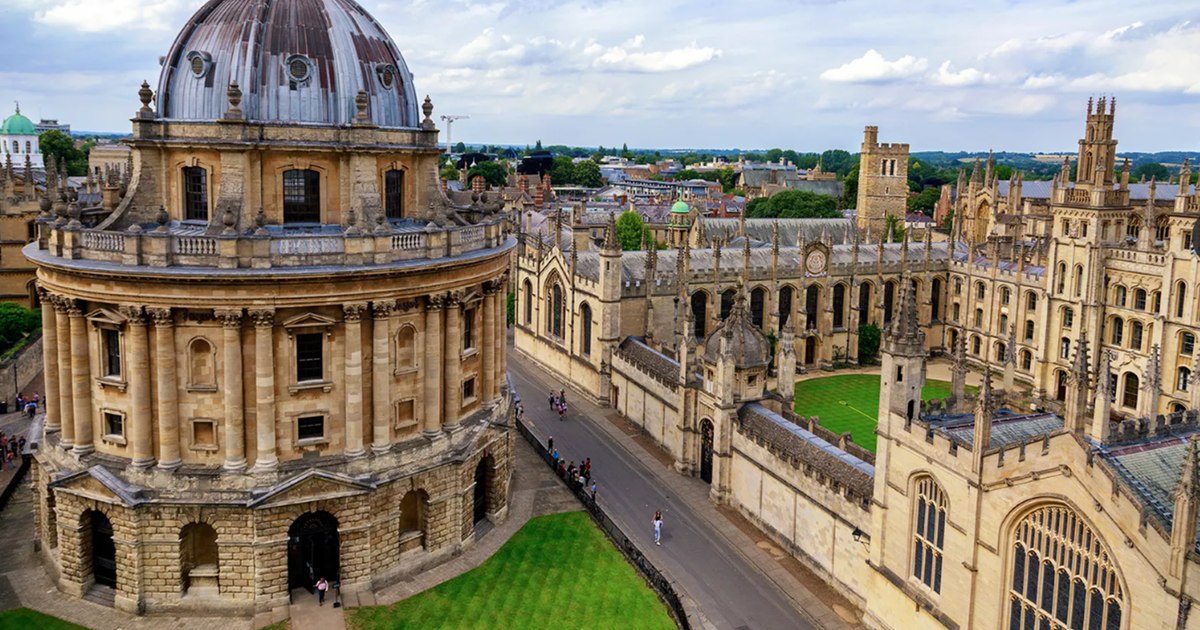
The news that Great Britain will return to the Erasmus+ program, from 2027, rejoices the academic community in Europe. Higher education institutions in the United Kingdom not only have a long history, but are at the top of the continent’s university rankings. The return also brings to the fore the European Union programme, which offers students excellent opportunities to develop both academically and culturally.
What is Erasmus+?
Erasmus+ is a program of the European Union dedicated to education, which offers young people study opportunities or internships abroad, with academic recognition. In addition, it also offers the possibility of developing linguistic and intercultural skills.
“At the same time, the program places an increasing emphasis on inclusion and diversity. Romania has recently allocated additional funds to supplement Erasmus scholarships for students from vulnerable backgrounds, including those from rural areas or small towns, so that financial barriers do not limit access to international mobility. We constantly see how participants return from mobilities more confident, more autonomous and better prepared for future professional challenges“, says Adriana Cozanu, communication manager at the National Agency for Community Programs in the Field of Education and Vocational Training.
Students can spend between 3 and 12 months in a study mobility – that is, they can train at a university included in the program -, provided that there are inter-institutional agreements between the university where they are enrolled and the receiving university.
The institution’s estimates show that, with Romania’s integration into the European Union, from 2007 onwards, between 80,000 and 100,000 Romanian students participated in study or practice mobilities.
“Among the most popular destinations are France, Spain, Italy and Germany. The choice is influenced by factors such as language compatibility, the quality of academic offers and already established university networks. Also, cultural attractiveness and cost of living play an important role.”
explains Adriana Cozanu.
Britain exited the program after Brexit
After leaving the European Union, Great Britain had the option to remain in the Erasmus programme. Boris Johnson, the British prime minister at the time, included the exclusion of the Erasmus+ program in the post-Brexit agreement. In its place, it announced a British student mobility alternative: the Turing Scheme. The program adopted at the time, however, only offers students from British territories the opportunity to participate in study placements abroad, without reciprocity.
“The UK’s exit has been felt, particularly through the loss of a very attractive destination for students. However, the impact was not critical for our country. The Erasmus+ program has shown resilience and mobilities have redistributed to other destinations, such as Ireland, the Netherlands or the Nordic countries“, says the representative of the National Agency for Community Programs in the Field of Education and Vocational Training.
What the return brings
On April 15, the European Commission and Great Britain finalized the documents for the return under the Erasmus+ program, with January 1, 2027.
“Europe and the United Kingdom have enjoyed mutually beneficial educational links for centuries. Further strengthening these links makes sense on both sides – for students, teachers, education systems, economies and our societies as a whole. I look forward to the immense potential of this development being realized as soon as possible”said Ursula von der Leyen.
What impact will this decision have? Adriana Cozanu says:
“The relaunch of traditional mobility flows, the increase of academic diversity, the strengthening of educational and research cooperation between the European space and British universities is expected. (…) It is very likely that we will see an increase in interest in collaborations and mobility with British partners, not only in higher education, but also in school education, vocational education and in projects dedicated to education specialists.”
And more opportunities for Romanian students
In addition to Great Britain, from 2027, Switzerland will also enter the program. Now, in addition to the 27 EU member states, countries such as Iceland, Liechtenstein, North Macedonia, Norway, Serbia and Turkey also participate in the Erasmus+ program.
“The perspective for the period after 2027 indicates an expansion of the Erasmus+ program, including by increasing the budget, simplifying access and strengthening priorities related to inclusion, digitalization and the development of new formats of mobility and European cooperation. For beneficiaries from Romania, all these developments mean access to even more international opportunities and diverse educational experiences in a program that is constantly developing and adapting to the needs of new generations”concludes the representative of the National Agency for Community Programs in the Field of Education and Professional Training.
