
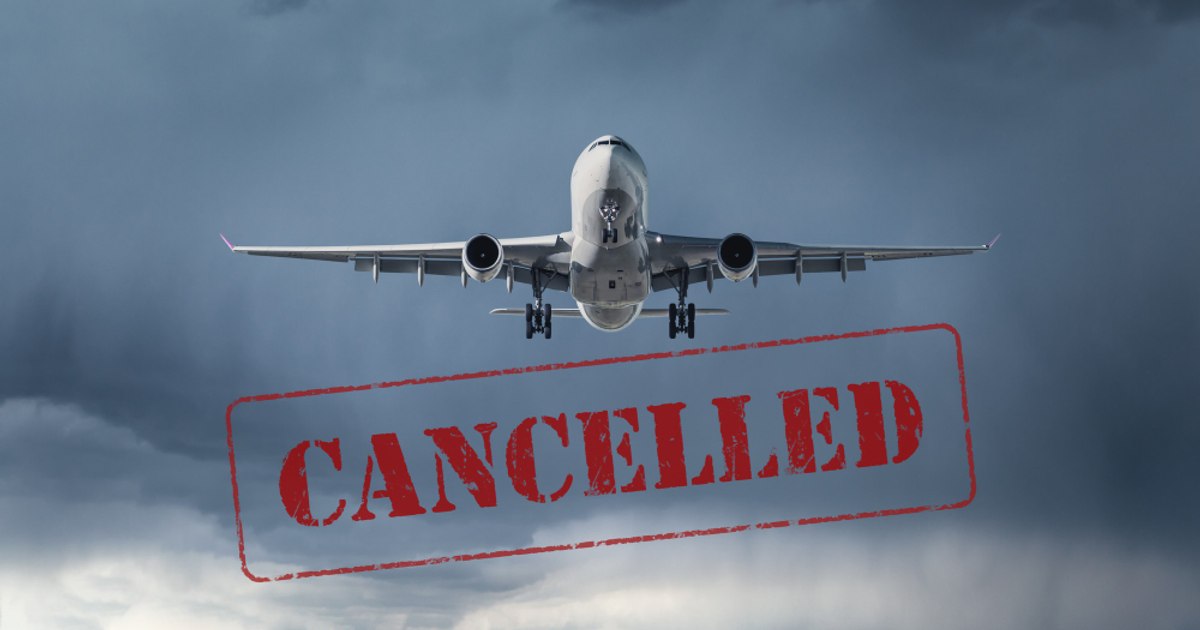
A canceled flight can completely change a trip’s plans. Whether you’re going on holiday, on a business trip or to an important event, canceling your ride at the last minute means lost time, extra expenses and a lot of stress.
Fortunately, European legislation provides protection for passengers and sets out precise obligations for airlines.
Many travelers do not know their rights and quickly accept a solution proposed by the operator without knowing that they can also benefit from financial compensation. In reality, in certain situations, you can recover a significant part of the damage created by the flight cancellation.
It all starts with understanding the rules and keeping the documents that prove you were affected by this situation.
What does a canceled flight mean and what are your immediate rights?
A flight is considered canceled when the airline decides to stop operating the scheduled route and passengers can no longer travel according to the original reservation.
When this situation arises, you have the right to choose one of the options provided by the airline. You can request a refund or accept rerouting to your final destination on another flight.
Refunds are appropriate when the trip no longer makes sense for you. If you choose this option, the company must return the amount paid for the unused flight segment.
Many passengers, however, prefer rerouting. In this case, the operator must find a reasonable solution to transport you to your destination as quickly as possible.
In addition to alternative transport, European legislation also provides for the right to assistance. Depending on the waiting time, the airline must provide:
● meals and drinks;
● the possibility to communicate by phone or e-mail;
● accommodation when the departure is postponed for the next day;
● transport between the airport and the place of accommodation.
These measures are important because they reduce the impact that a flight cancelled it can have on your trip. Even when the company is not responsible for the cancellation, the obligation to provide assistance remains valid.
In what situations can you receive compensation?
In addition to reimbursement or redirection, many situations also allow for financial compensation.
European regulations state that you can claim compensation if you were informed of the cancellation less than 14 days before departure and if the reason for the cancellation is the responsibility of the airline.
The rules also apply to flights departing from the European Union or to flights operated by European airlines to destinations within the Community area.
The amount of the compensation depends on the distance traveled:
● 250 euros for flights up to 1,500 kilometers;
● 400 euros for flights between 1,500 and 3,500 kilometers;
● 600 euros for flights longer than 3,500 kilometers.
There are also situations where passengers are redirected to another journey. If they arrive at their destination with a significant delay, the right to compensation may remain valid.
The reason for cancellation plays a very important role. The company may be exempt from paying compensation when the cancellation is caused by extraordinary circumstances.
These include:
● severe meteorological phenomena;
● security restrictions;
● situations of political instability;
● air traffic controller strikes.
On the other hand, internal organizational problems, staff shortages or certain technical failures may fall under the air operator’s responsibility.
For this reason, it is recommended that you always request a written explanation of the reason for the cancellation. This information can be important if you decide to claim compensation.
What to do after flight cancellation?
The first actions after cancellation can affect your chances of getting the compensation you are entitled to.
Start by keeping all your travel documents. The reservation, e-ticket, boarding pass and messages received from the airline can become important evidence.
If you incurred additional expenses, keep all receipts and invoices. These documents can support a claim for reimbursement for the costs generated by the situation.
It is also useful to note some important information:
● the time when you were notified of the cancellation;
● the reason communicated by the company;
● the time you actually arrived at your destination, if you were redirected;
● expenses incurred during the waiting period.
After you have collected all the documents, you can submit a request to the airline. In your request you must include your booking dates, flight information and the rights you are claiming.
Many passengers also choose to use specialized services that check eligibility and manage the compensation recovery process. This option can save time and reduce red tape, especially in cases where the airline disputes the request.
It is worth knowing that passenger rights are not limited to canceled flight situations. Under certain conditions, you can also claim compensation for long delays, denied boarding or loss of a connection from the same booking.
A canceled flight should not automatically mean the loss of the money invested in the trip. European legislation offers effective protection mechanisms, and passengers who know their rights have a much greater chance of obtaining the solutions and compensation provided by law.
With the right documents and a correctly formulated claim, you can recover both your direct costs and the compensation you are entitled to.
