
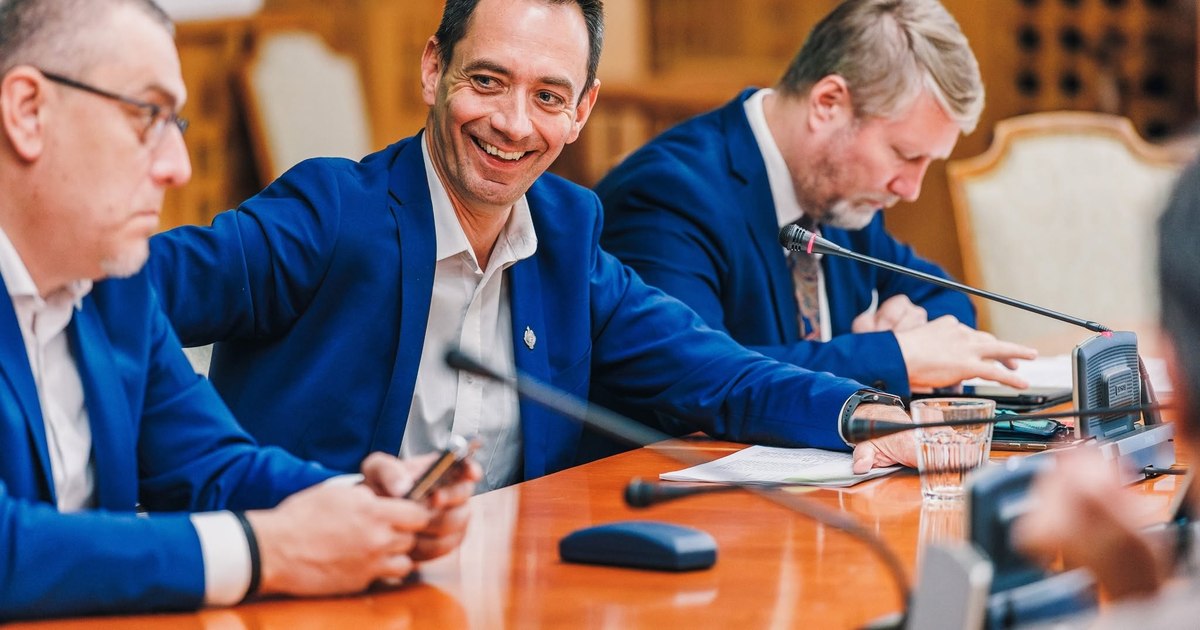
The UDMR will officially decide, during a meeting scheduled for Wednesday, June 17, that it will not support the Vestea government in Parliament. The leaders of the formation claim that the decision respects internal procedures and does not represent an attempt to resume political negotiations.
The leader of the UDMR deputies, Csoma Botond, announced that the reunited groups of the Union will analyze the recommendation of the Permanent Council not to grant the investiture vote to the future Veștea government.
“Today we will have this meeting where we make the final decision and there is a recommendation from the Permanent Council to the assembled groups not to vote for the government,” said Csoma Botond.
According to him, the procedure is provided for in the formation’s statute and has the role of officially validating the position adopted by the UDMR leadership after the political consultations of the last few days.
The message comes after, on Tuesday, the leader of the UDMR, Kelemen Hunor, said that the Union does not consider the necessary conditions to participate in the negotiations regarding the formation of the new government to be met.
“The Permanent Federal Council has weighed the developed political situation, the conditions of parliamentary power and the interests of the Hungarian community in Transylvania. In the current situation, the conditions have not been established for the UDMR to participate in the negotiations for the formation of Adrian Veștea’s government or to assume a role in the government they have conceived”, said Kelemen Hunor.
Also, the liberals are meeting online at 4:00 p.m., in a meeting where the leadership of the National Liberal Party is going to discuss the situation of Adrian Veștea, given that he has accepted the appointed prime minister’s mandate and refused to withdraw, despite the firm request from the party’s leadership. This positioning is perceived by a part of the leadership as a direct challenge to party discipline.
