
For many travelers, Japan means cherry blossoms, centuries-old temples and high-speed trains. But once there, you quickly discover that one of the most fascinating gateways to Japanese culture is its gastronomy.
Japanese cuisine is much more complex than sushi, and a tourist circuit through cities such as Tokyo, Kyoto, Osaka, Hiroshima or Kanazawa offers the opportunity to discover dishes that tell stories about history, local traditions and the identity of each region. Some are refined and surprisingly simple, others are spectacular and full of flavor, but they all have one thing in common: the Japanese respect for ingredients and details.
Here are 10 dishes worth discovering on a trip to the Land of the Rising Sun.
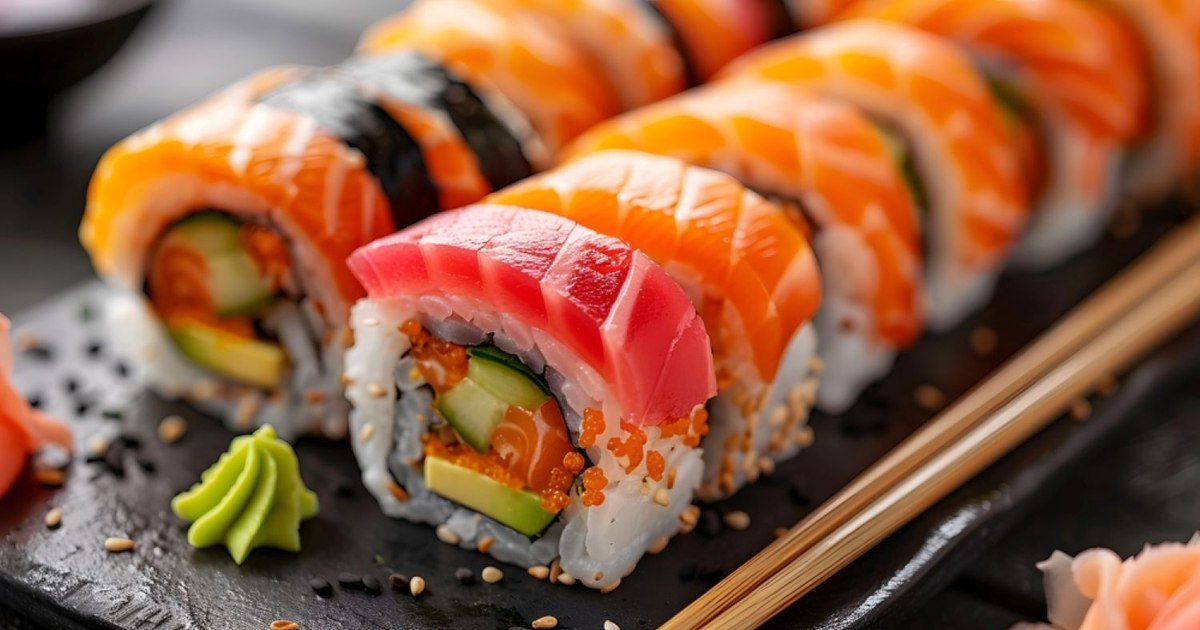
1. Sushi – more than raw fish and rice
Few dishes are more associated with Japan than sushi. However, the authentic experience is very different from what we usually find in Europe.
In Tokyo, considered the birthplace of the edomae sushi style, the focus is on the quality of ingredients and preparation techniques. The rice is carefully seasoned and the fish is aged, marinated or prepared in ways that bring out its flavors.
On an organized trip to Japan you will discover that sushi does not only mean salmon and tuna, but dozens of varieties of fish, seafood and seasonal dishes.
2. Ramen – the soup that has become a national phenomenon
Ramen differs significantly from region to region. The base of the dish consists of noodles served in a rich soup, obtained by long boiling, and the variations are numerous. Some recipes use soy sauce (shoyu), others miso, salt (shio), or concentrated pork broth (tonkotsu).
From specialty restaurants in Tokyo to regional variations found throughout Japan, each bowl of ramen tells a different story about local gastronomy. For many travelers, their first authentic ramen becomes one of the circuit’s most memorable culinary experiences.
3. Tempura – the elegance of simplicity
Tempura perfectly demonstrates the Japanese culinary philosophy.
Shrimp, fish or vegetables are covered in an extremely fine batter and quickly fried to achieve a crispy texture without excess fat.
The result is a surprisingly delicate dish that highlights the ingredients, not hides them.
4. Okonomiyaki – the gastronomic symbol of Osaka
Osaka is considered by many Japanese to be the gastronomic capital of the country.
Here, one of the emblematic dishes is okonomiyaki, a combination of pancake and omelette, made from dough, cabbage and various ingredients such as meat, seafood or cheese.
Its name can be roughly translated as “cook what you like”, and every restaurant has its own version.
It is one of the dishes that best reflects the relaxed and energetic atmosphere of Osaka.
5. Takoyaki – the favorite snack of the Japanese
Also in Osaka, you can find takoyaki stands on almost every street corner.
These dough balls filled with pieces of octopus are prepared on special hot plates and served hot, along with specific sauces, Japanese mayonnaise and bonito flakes.
For tourists, they are one of the most popular street food experiences in Japan.
6. Kaiseki – the art of Japanese gastronomy
If sushi represents the global image of Japan, kaiseki represents its most refined form of culinary expression.
Considered by many to be the pinnacle of traditional Japanese cuisine, this dining experience features numerous dishes served in a carefully thought-out order, each highlighting seasonal ingredients and the chef’s craftsmanship.
7. Yakitori – the dish that transforms simplicity into art
Yakitori consists of chicken skewers cooked over coals and seasoned with salt or a special sweet and salty sauce.
At first glance, it seems like a simple dish, but the Japanese have turned this specialty into a real art.
From the breast and leg to the offal or crispy skin, almost every part of the chicken can be used in a surprising way.
8. Unagi – the Japanese summer delicacy
Freshwater eel occupies a special place in Japanese gastronomy.
Grilled and glazed with a complex sweet and salty sauce, unagi is considered a premium specialty and is frequently eaten during the warmer months.
Its delicate texture and rich taste surprise even those who are not familiar with this ingredient.
9. Hiroshima-style Okonomiyaki – same idea, completely different experience
Although they share the same name, the Hiroshima version is very different from the Osaka version.
The ingredients are placed in distinct layers and often include fried noodles, which turns the dish into a hearty and complex meal.
The differences between the two styles generate heated debates among locals and are a perfect example of Japanese gastronomic diversity.
10. Wagashi and matcha – the perfect end to a Japanese meal
Traditional Japanese desserts are very different from European ones.
Wagashi are sweets made from ingredients such as red bean paste, rice flour and fruit, often created to reflect the seasons.
These are frequently served alongside matcha, the famous powdered green tea used in the Japanese tea ceremony.
The combination offers an authentic insight into Japanese culinary sophistication.
Gastronomy, one of the most beautiful surprises of Japan
In a tourist circuit through Japan, culinary experiences become an integral part of discovering the country. Each city has its own specialties, each region preserves its traditions, and each meal offers an opportunity to better understand the local culture.
From crowded food stalls in Osaka and ramen restaurants in Tokyo to the sophistication of a kaiseki meal in Kyoto, Japanese cuisine manages to surprise even the most seasoned of travelers.
And for many first-timers to Japan, the memory of an authentic meal remains as strong as the image of a historic temple or Mount Fuji.
Photo source: https://www.shutterstock.com/ro/
