
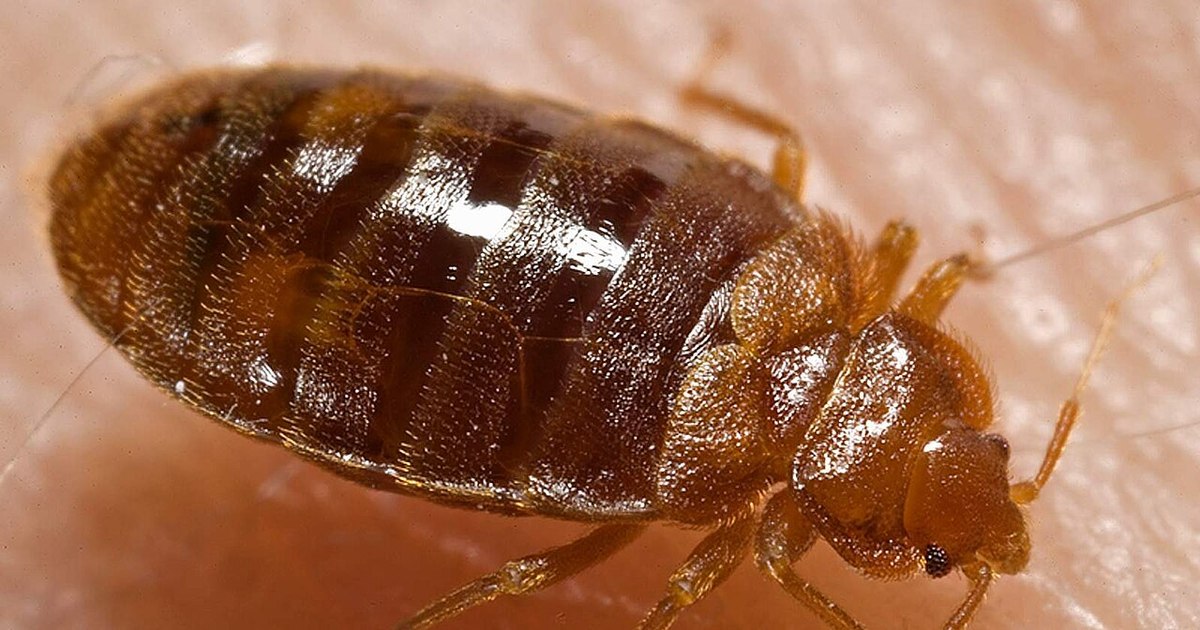
Bed bug bites can be confused with those of mosquitoes or fleas, but their repeated appearance after sleep and stains on linen can indicate an infestation. Although they do not transmit diseases, they can cause itching, sleep disturbances and other discomforts.
Bed bug bites can easily be mistaken for mosquito, flea or other insect bites. They appear most often after sleep, in the form of red, slightly swollen and itchy areas, sometimes arranged in a line or in groups.
Experts say that bed bugs are not known to carry disease to humans, but they can cause allergic reactions, intense itching, insomnia and secondary infections if the skin is excessively scratched.
Bed bugs (Cimex spp.) are small, flat insects that bite people and animals at night while they sleep, feeding on their blood. They are reddish-brown in color, wingless, and measure between one and seven millimeters. They can survive for months without feeding.
“Bedbugs are not known to transmit disease to humans. However, they can cause irritation, itching and sleep disturbances, and removing them from homes can be expensive and difficult.” show the specialists of the Center for Disease Control and Prevention, CDC, from the United States of America.
How do you recognize a bed bug bite?
Bed bug bites most often appear on areas of skin left uncovered during sleep: arms, hands, face, neck, shoulders or legs. The lesions may look like red papules, small itchy bumps, and may have a darker central spot.
“When biting, bed bugs inject substances with an anesthetic and anticoagulant effect, so the person usually does not feel the moment of the sting. The marks can become visible after one or several days and resemble mosquito or flea bites: slightly swollen, red areas that can cause itching and irritation. They can appear isolated, randomly or in a line”, says the US Centers for Disease Control and Prevention.
Some people notice almost nothing, while others may have more inflamed and very itchy lesions. In some cases, bites can be associated with insomnia, anxiety and skin problems caused by intense scratching.
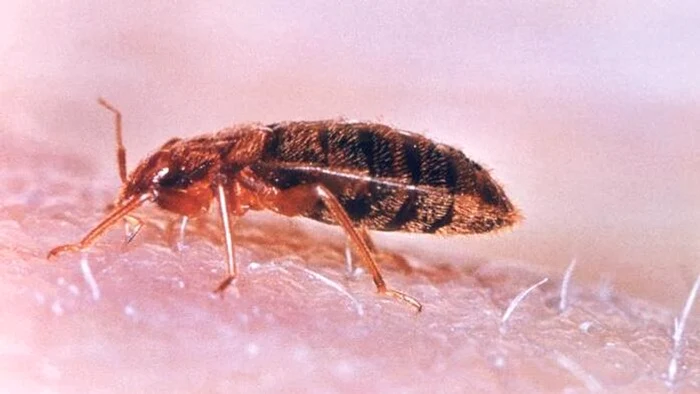
“One of the easiest signs of a bed bug infestation is bite marks that appear after sleep on the face, neck, arms, hands or other areas of the body. In some people, these marks can become visible even after 14 days, so it’s important to look for other clues.”the CDC reports.
The dangerous insect that threatens Europe and could also reach Romania: causes pain, irritation and anaphylactic shock
According to specialists, the appearance of the skin is not enough for a reliable diagnosis. Reactions may resemble those produced by mosquitoes, fleas, contact dermatitis, hives or scabies. Confirmation becomes more likely when other clues appear in the bedroom.
Signs that may betray an infestation are small reddish-brown or blood stains on bedding, insects or exuvia (coatings shed by insects during moulting) in the seams of the mattress, on the bed frame, behind the headboard, in cracks or in nearby furniture.
Is bed bug bite dangerous?
Bed bugs are not known to transmit disease to humans, and in most cases bites do not require complex medical treatment.
“Most bed bug bites require only minimal symptomatic treatment and good hygiene to prevent secondary infections,” says the US Centers for Disease Control and Prevention.
How it is treated
The affected area can be washed with soap and water, and scratching should be avoided to reduce the risk of skin infection. According to specialists, in more severe cases, creams with corticosteroids can be used, and if a secondary infection occurs, treatment with antibiotics, recommended by the doctor, may become necessary.
A medical consultation is indicated if large swellings, significant pain, pus, fever, rapidly expanding redness, difficulty breathing or other signs of a serious allergic reaction occur. Severe reactions are rare, but repeatedly scratched lesions can become superinfected.
What to do if you suspect you have bed bugs in your home
“Controlling bed bugs can be difficult because the insects hide in cracks and crevices, mattress seams, furniture and other areas close to where people sleep. Treating an infestation can require multiple methods and applications.”reports the US Centers for Disease Control and Prevention.
People who suspect an infestation should not immediately throw away the mattress or furniture and should not use insecticides randomly, as the misuse of substances can be dangerous to people and animals.
“Don’t use pesticides or other chemicals improperly. Always read and follow label directions”recommends the CDC, which warns that excessive or wrong use of insecticides can cause poisoning.
The institution recommends carefully checking the mattress, bed frame, bedside tables and objects near the bed. Suspicious linen, clothes and textile materials should be washed and dried thoroughly, following the instructions on the label, and luggage or objects recently brought from hotels, means of transport or homes where there have been infestations should be inspected before being brought into the bedroom.
For a confirmed infestation, specialists also recommend that people contact an authorized disinfestation company. The intervention may require several stages, as hidden eggs and insects can survive a single application.
