
The temperatures will continue to remain high this summer, and the level of precipitation will remain low, according to the forecasts of meteorologists. Health specialists offer a number of tips that can help Romanians to overcome the hot summer days.
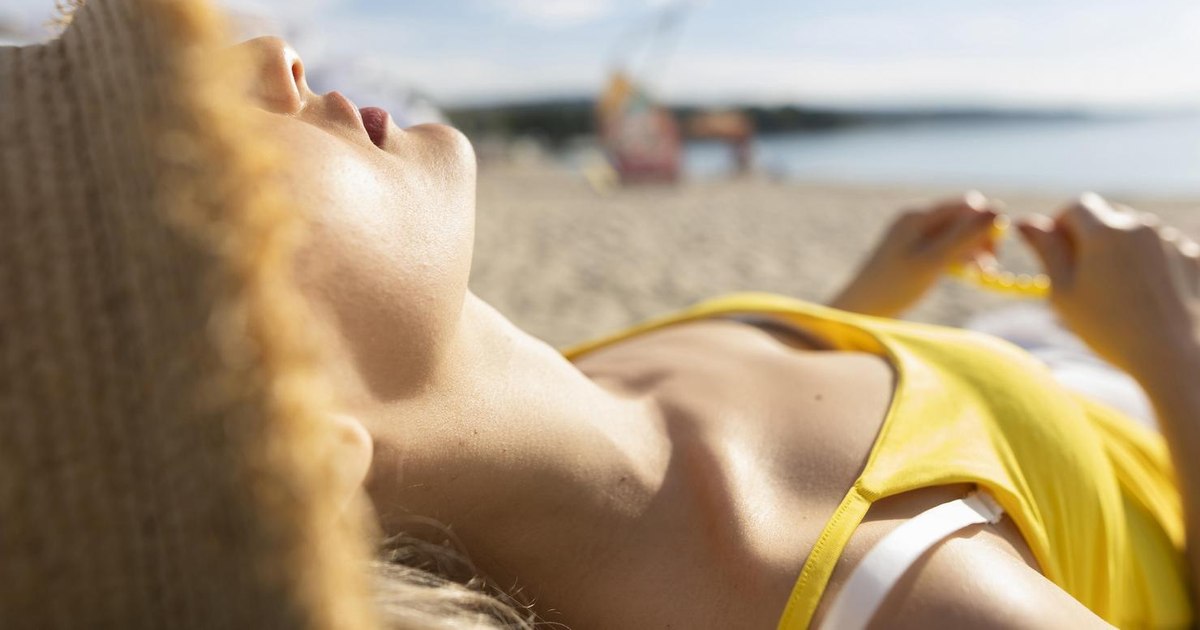
July will be warmer than in previous years, according to forecasts. Photo: freepik.com
July will be warmer and more dry than usual for this time of year, the forecast shows for the next four weeks published by the National Meteorological Administration, and in Europe the first waves of summer heat are expected.
Summer warmer and drier than normal
“After a start of the season marked by instability and changing weather, the second part of summer seems to be drier, with an increased potential of heat waves”, Says Severe Weather Europe, an online platform dedicated to weather forecasts, climatic analyzes, long -term trends, extreme weather phenomena and other relevant weather information.
The forecast of the European Middle -Term Forecast Center (ECMWF) on precipitation indicates a regime, generally drier in Europe, under the influence of high pressure fields. Overall, summer 2025, according to the ECMWF model, seems to be characterized by an atmospheric blockage system, which can lead to an increased risk of drought in Central Europe and a high probability of heat waves, especially in the second part of the season.
“If we analyze the temperature forecast, we observe a warmer weather tendency than normally on a large part of the continent. The most pronounced thermal abnormalities are estimated in Central Europe and in some parts of Western Europe ”informs Severe Weather Europe, citing the ECMWF model, considered, from a statistical point of view, the best performing in terms of seasonal forecasts.
Problems caused by the heat
High temperatures can create discomfort and emphasize human health problems. The heat is a major risk, especially for children, the elderly, pregnant women or people with chronic conditions, according to UNICEF. Excessive heat can lead to insolation, a common problem during heat, which occurs when the body overheat after long sun exposure.
At the same time, summer rashes are often encountered, especially in children, as a result of excessive sweating, which favors the appearance of small red lesions.
Exposure to sunless sun can cause sunburn, manifested by pain and inflammation, and extreme temperatures can aggravate asthma symptoms or other respiratory problems, health specialists show.
The Bucharest Health Directorate offers a series of recommendations for the prevention of incidents during periods with extreme temperatures.
DSP specialists recommend avoiding, as far as possible, extended sun exposure between 11.00 and 18.00.
“If there is air conditioning, the device should be adjusted so that the temperature is about 5 degrees lower than the ambient. The fans are not indicated whether the air temperature exceeds 32 degrees Celsius. For people who do not have air conditioning in the housing or at work, it is useful to spend 2-3 hours daily, as well as 2-3 hours, as well as in the spaces public ”, transmits DSP.
It is important to wear sun hats, light, large, natural fibers and light colors.
Hydration, extremely useful but in no case with alcohol
During the day, warm showers are recommended, without completely deleting the water from the skin. The consumption of liquids should be sufficient, between 2 and 4 liters a day, without waiting for the thirst sensation. During the periods of heat, it is advisable to drink a glass of water or its equivalent every 15-20 minutes.
Alcohol consumption, including beer or wine, should be avoided, as alcohol promotes dehydration and reduces the body’s ability to cope with heat.
“Also, high caffeine or sugar drinks are not recommended, such as coffee, tea, carbonated refreshing juices, which have diuretic effect. Fresh fruits and vegetables, such as watermelon, watermelon, plums, cucumbers or tomatoes, are indicated, because they are a large amount of water, because they are a large amount of water. of water ”, shows DSP.
Exterior activities that require high energy consumption, such as sport or gardening, should be avoided during the heat. It is important to care for dependent persons, such as children, the elderly or people with disabilities, by regularly offering liquids, even if they do not expressly request this.
Battle in unpaved places, such as rivers, lakes or ponds, should be avoided, due to the risk of drowning or contact of some conditions, a valid recommendation for both children and adults. Maintaining permanent contact with neighbors, relatives or older knowledge or disabilities is essential, to know their health during this period.
How we protect the vulnerable
DSP Bucharest offers a number of tips to protect people vulnerable from the problems caused by excessive heat.
Infants and young children need a cool environment, away from excessive heat and air currents. Hydration is essential, and breastfeeding is recommended for infants.
“The children must be dressed lightly, taken out only outside the hot hours, with the protected head, and receive safe foods and drinks, without sudden changes in the diet. Rigorous hygiene and permanent supervision are mandatory, as well as to keeping the playgrounds in the shade.” transmits the Bucharest Public Health Directorate.
The elderly, with chronic conditions or who put intense physical exertion should adapt their activities and nutrition to prevent overloading the body. The correct hydration, avoiding sun exposure and alcohol or coffee consumption, as well as maintaining a strict personal hygiene, with frequent showers, is important.
tips
For those who work outdoors, physical effort should be dosed, and working periods alternated with rest, using adequate equipment and ensuring sufficient water for hydration.
In the situations of the red code of heat, it is recommended to reduce the trips to the strictly essential ones and to avoid the outputs between 11.00 and 19.00, as well as the abstention from alcohol consumption.
“People with chronic conditions must administer their drug treatment regularly, using large amounts of water. Children under three years should be removed until early in the morning, until 9.00, or in the evening, after 8 pm. At the same time, it is advisable to avoid heavy or copious meals and to ensure a sufficiently liquid consumption, between 2 and 4 liters. 112 ”, shows DSP.
