
In 2024, 57 cases of the disease were registered in Romania, almost double the number compared to 2023. The risk that can lead to death, in severe forms, can be eliminated by following simple measures.
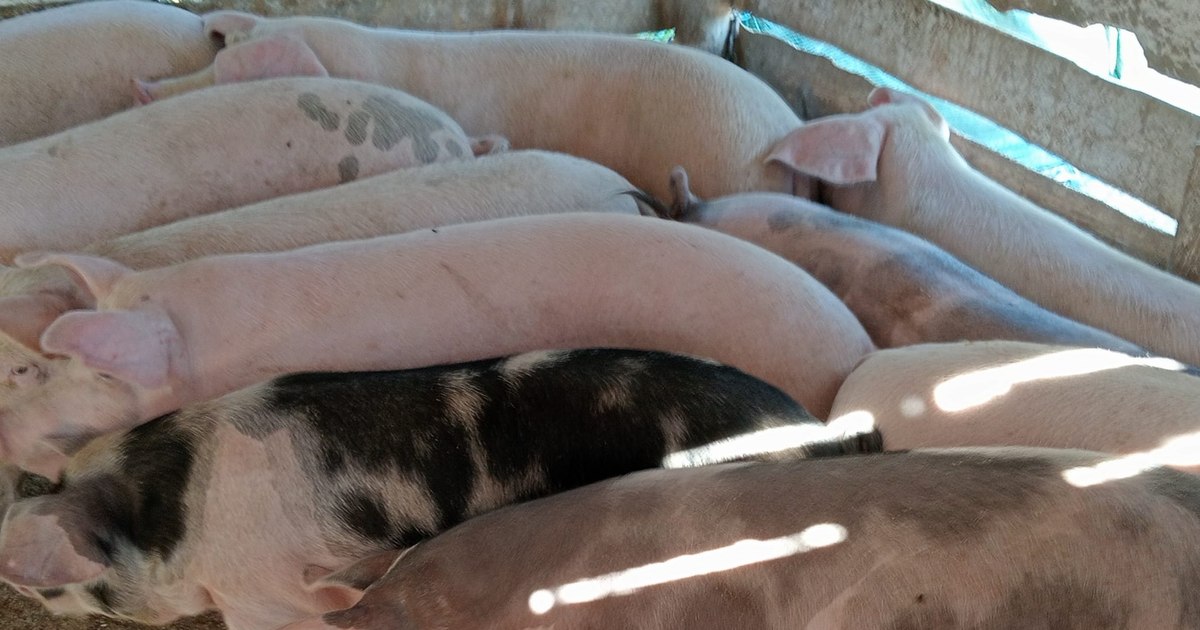
The month of December is, in Romania, also the month of slaughtering pigs in households, a custom that a good part of the population still keeps. However, this tradition involves a risk that can be removed by following the recommendations from doctors. It is about the risk of contracting trichinosis, a disease caused by the larvae of a parasitic worm/nematode that can even lead to human death.
The fact that in the first days the disease does not give specific symptoms, the signs can be easily overlooked, can delay the presentation to the doctor, causing the disease to worsen. Serious signs set in weeks after infestation.
How it is transmitted
In Romania, 57 cases of the disease were registered last year, almost twice as many as in the previous year and four times more than in 2022 (when 16 cases were registered), according to the data of the latest informative material on this topic posted on the website of the Olt Public Health Directorate.
Trichinellosis, or trichinosis, is a zoonosis caused by the larvae of a parasitic worm/nematode. The disease is not transmitted from person to person, but through the consumption of raw or insufficiently cooked meat, which is why public health specialists return year after year with the warning to test, before consumption, the meat of animals slaughtered in the household, in order to minimize this risk. The risk is equally high regardless of whether the animal was raised in the household or was purchased near Crăcun.
“There are several species of Trichinella (T. spiralis, T. nativa, T. britovi and T. pseudospiralis, etc.), with varied geographic features and hosts, some invading the host muscle cells and encapsulating (collagen capsule) and non-encapsulating species. Trichinella spiralis is an encapsulated parasite and causes the majority of human Trichinella infections and deaths.” transmit DSP Olt.
Trichinella has as reservoirs of infection animals in close proximity to humans: pigs, rodents, horses, cats, dogs, nutria, rats, but also wild animals (boars, bears, foxes, wolves, martens, badgers, field rodents). A wide spread of trichinellosis was found in animals from arctic lands (polar bear, arctic fox, seal, walrus) as well as from tropical areas (tiger, jackal, hyena, sperm whale, orca). In our area, pigs and rats are the usual hosts for Trichinella and the most parasitized host species, public health specialists also say.
Smoking, drying and salting the meat do not destroy the larvae
Meat infested with larvae, consumed insufficiently cooked, causes infections in humans. Larvae are destroyed at temperatures above 77 degrees Celsius, but processes such as smoking, drying or salting the meat do not have the same effect.
Diagnosis, in the absence of warning signs, is usually weeks apart.
In the first 3-4 weeks, the symptoms are non-specific, often mild, but depend on the stage of the disease, the doctors say.
“QDuring the enteral phase, 1-2 days after ingestion of maggot-infested meat, symptoms are transient mild diarrhea and nausea, vomiting, upper abdominal pain, mild fever, and general malaise. 2-6 weeks after ingestion, intestinal symptoms disappear and symptoms from the parenteral stage appear: periorbital or facial edema, diffuse myalgia, and a paralysis-like state. The severity of the disease is correlated with the number of larvae ingested”, shows the cited source.
The fact that it is a very serious disease shows the risk of death, which in severe cases is 5%, even if the patient has followed treatment. Milder cases have a good prognosis with treatment, but symptoms disappear in 2-6 months.
Encephalitis and myocarditis, complications of the disease
In the first two weeks, even if the specific symptoms have not set in, complications of this serious disease may appear. “These are mainly seen in severe cases, but have also been reported in moderate cases, in people who have been treated inappropriately (including those for whom treatment was started too late), and especially in the elderly. Life-threatening encephalitis and myocarditis are often present simultaneously. If the infection is severe, difficulty coordinating movements and heart and breathing problems may occur. Severe cases can cause death”the cited source also mentions.
Treatment only on the doctor’s prescription
If the disease is discovered in the first days, the treatment, which will be done only on the doctor’s recommendation, instituted in the first 3 days after the onset of the disease prevents muscle invasion and the progression of the disease. The treatment consists in the administration of antiparasitic drugs, according to medical recommendations. If the larvae have settled in the skeletal muscle cells (happens 3-4 weeks after infection), the treatment may not completely eliminate the parasite and its associated symptoms, in more severe cases the addition of steroid treatment is necessary.
Warning signs in the case of trichinosis
Doctors also indicate the signs that may appear after a person has eaten or just tasted undercooked pork or game. If you observe three of the following symptoms, it is recommended to go to the hospital:
• fever,
• muscle sensitivity and pain,
• diarrhea,
• facial edema,
• subconjunctival, subungual and retinal hemorrhages.
How to freeze meat correctly
The trichinelloscopic inspection of meat is the mandatory measure to reduce the risk of disease. Correct processing and thermal preparation of meat, keeping at appropriate temperatures before consumption, as well as checking slaughtered animals according to mandatory rules, are other recommended measures.
Authorities are advised to regularly inspect slaughterhouses and meat processing facilities.
Smoking or salting meat does not kill cysts, doctors warn. To remember and how to freeze meat correctly to eliminate the risk of infestation: 20 days at -15°C, 10 days at -23°C or 6 days at -30°C.
Other rules that must be followed also help prevent other diseases that could be contracted by eating improperly prepared or handled food: cleaning meat grinders and other tools after each use; washing hands with warm water and soap before preparing food and after handling raw meat.
Useful measures to prevent illness at household level:
• purchase animals from approved sanitary and veterinary units;
• stock up on meat and meat preparations from specialized commercial units that sell only sanitary-veterinary approved products;
• send samples of meat from the pig slaughtered in the household to authorized centers of the sanitary-veterinary authorities, to perform a microscopic examination (trichinelloscopic) and consume the meat only after the negative result of the trichinelloscopic examination;
• send game meat samples to centers authorized by the sanitary-veterinary authorities, to perform a microscopic examination (trichinelloscopic) and consume the meat only after the negative result of the trichinelloscopic examination;
• do not eat the meat until it is completely cooked; the processes of salting, smoking or drying the meat do not destroy Trichinella spp larvae;
• cook meat, minced meat and wild game so that the temperature is above 71°C throughout the meat mass (until the meat changes color from pink to grey);
• thoroughly clean all the utensils that touch the meat;
• clean meat grinders well before and after using them to mince pork/game and clean all surfaces and tools used in this activity;
• wash your hands well after handling raw meat;
• avoid feeding animals with raw remains / entrails / blood, coming from game / pig, thermally process these meat products that are to be food for animals (pet / household / pigs).
• prevent the appearance of rodents in the household where pigs are raised.
